Quick Navigation
- Why British Assumptions Do Not All Apply
- Passports, Identification and Visas
- The ID your ferry or airline will ask for
- Visas and ETAs if you are not British or Irish
- The Manx Pound
- The Manx Highway Code Is Not the British One
- Getting Around on Public Transport
- Phones, Post, Holidays and Health
- Deciding Where to Base Yourself
- Frequently Asked Questions
- Do I need a passport to go to the Isle of Man?
- What currency does the Isle of Man use?
- Can I use my UK driving licence on the Isle of Man?
- Is there really no speed limit on the Isle of Man?
- Can I visit the Isle of Man on a UK visa?
- Do I need an ETA to visit the Isle of Man?
Before you travel: carry photo ID even though a passport is not legally required for British and Irish citizens, expect Manx pound notes that look like sterling but will not spend once you are back in the UK, and know you will be driving on the left with no British-style national speed limit on much of the rural network. None of it makes a visit difficult, but the assumptions below are the ones that trip people up.
The short answer
- Not part of the UK. A self-governing Crown Dependency with its own parliament, laws and immigration service — not England, not the EU.
- A passport is not legally required for British and Irish citizens travelling within the Common Travel Area, but check what ID your ferry or airline actually accepts before you book.
- A Standard Visitor may usually stay up to six months — no paid or unpaid work, and no claiming public funds.
- Your current driving licence stays valid for up to 12 months as a visitor, so a licence from anywhere in the British Isles normally covers a holiday.
- There is no British-style national speed limit. A good deal of the rural road network is genuinely unrestricted, though built-up areas and many roads carry posted limits.
- The Manx pound is its own currency, issued under the island's own Currency Act 1992 at par with sterling — but Manx notes are not legal tender once you are back in the UK.

Why British Assumptions Do Not All Apply
The Isle of Man is a self-governing Crown Dependency with its own parliament, laws and immigration service, so the rules that govern a trip to wherever you stay on the island (from public holidays to speed limits) are Manx rather than British. Whether that makes it part of the UK, and how it came to be that way, is covered in our history of the island and its constitutional position.
Passports, Identification and Visas
For most visitors this is a non-event. The island sits inside the Common Travel Area along with the United Kingdom, Ireland, Jersey and Guernsey, and the Manx government notes that there are usually no immigration controls on journeys within it. The Isle of Man Passport Office puts it in one line: "You do not need to hold a passport to travel within the Common Travel Area (CTA) (between the Isle of Man and UK/Jersey/Guernsey and Ireland)."
The ID your ferry or airline will ask for
The same page adds the part that actually matters at check-in: you need to check with the airline or ferry company you are travelling with to make sure you comply with its policy on photographic ID. So the practical travel ID requirement is the carrier's, not a border's, and ferry operators and airlines set their own rules on what counts. Check your specific operator's requirements when you book rather than turning up with a bank card and hope. A passport is the one document nobody argues with, which is why most people just take theirs.


Visas and ETAs if you are not British or Irish
Most visitors from outside the Common Travel Area now need either a visa or an Electronic Travel Authorisation before they travel. The UK government's ETA guidance says an ETA lets you travel to the UK, Jersey, Guernsey or the Isle of Man for up to six months. You usually need one rather than a visa if you are from Europe, the USA, Australia, Canada or certain other countries, and you do not need one at all if you hold a British or Irish passport.
The island applies the requirement on the Irish side too: the Manx government says that from 23 April 2026 some passengers travelling to the Isle of Man from the Republic of Ireland must obtain an ETA before they travel. The Steam Packet, for its part, says it is legally required to confirm a passenger holds a valid ETA before boarding.
If you need a visa, the Manx government's guidance for visitors is explicit that holders of a valid visa for the United Kingdom or the Channel Islands can travel freely around the Common Travel Area without applying for a separate Isle of Man visa.
- Schengen visas do not count. Equally explicit, and the trap people fall into: Schengen visas are not valid here and cannot be issued by the Isle of Man Immigration Office.
- What a visit allows. A Standard Visitor may usually stay up to six months, for tourism, for visiting family, for a short course or in transit — but not to work, paid or unpaid, and not to claim public funds.
- Passport validity. You also need a passport or travel document that is valid for the whole of your stay.
- Arriving via Dublin. One routing quirk is worth noting if you are coming through Ireland: passengers arriving in the Isle of Man via Dublin must present themselves and their passport to the Isle of Man Immigration Office on arrival.
Planning your trip
Staying overnight? Compare live prices and availability across the Isle of Man on Booking.com.
Compare Isle of Man staysWe earn a small commission if you book through this link, at no extra cost to you.
The Manx Pound
The island issues its own notes and coins under its own Currency Act, and the Manx pound runs at par with sterling. In practice this means you will be handed a mixture: Bank of England notes and Manx notes circulate side by side, everyone takes both, and cards work exactly as they do in Britain.
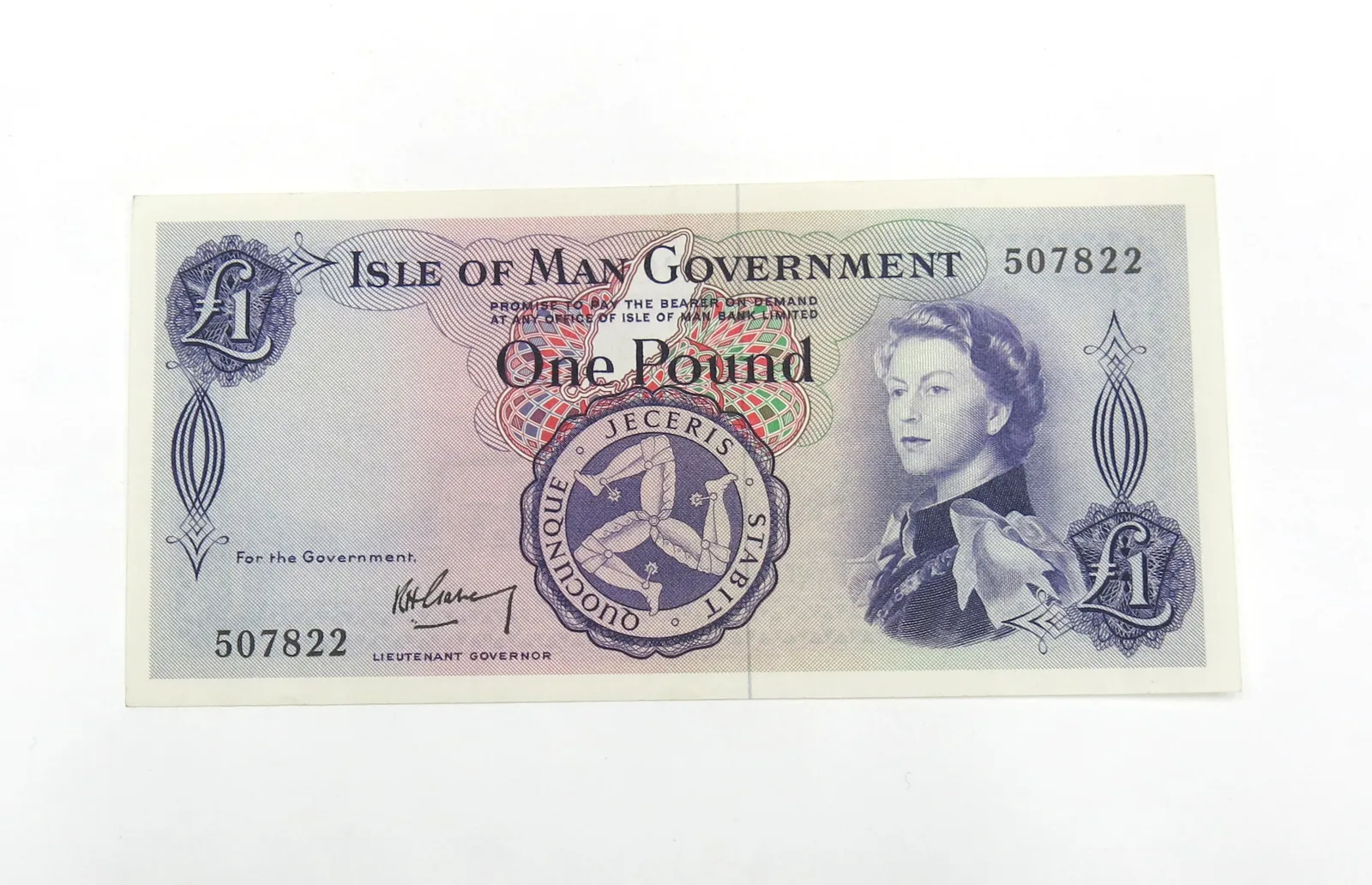
The catch is on the way home. Manx notes are not legal tender in the United Kingdom, and a shop in Liverpool is under no obligation to take one — some will, plenty will not, and you will have the conversation at the till. If you finish your trip with Manx notes in your wallet, either spend them before you sail or change them at a bank. Manx coins turn up in change too and behave the same way.
Two related points. The island is not a duty-free destination: it has VAT and its own Customs and Excise Division of the Treasury, sharing indirect tax revenue with the United Kingdom, so shopping here is ordinary shopping rather than a saving. And the island's reputation as a finance centre has nothing to do with your holiday — you are not going to notice it beyond the number of bank branches in Douglas.
The Manx Highway Code Is Not the British One
You drive on the left, and a driving licence issued elsewhere in the British Isles is what you will normally be using. Beyond that, do not assume.
The island publishes its own Manx Highway Code, and it says so itself in unusually blunt terms: the Code sets out the rules of the road as they apply in the Isle of Man, and, except where otherwise stated, it does not set out the rules of the road as they apply in Great Britain, which are in various respects materially different. Reading it before you collect a hire car takes ten minutes and is genuinely worth doing.
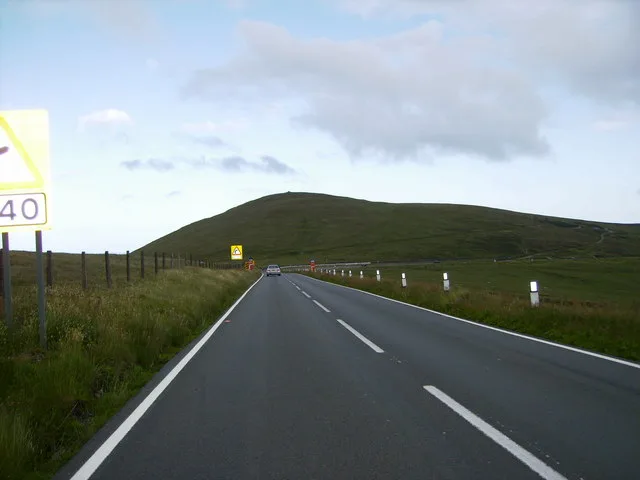
The difference visitors hear about first is speed. The island has no general national speed limit of the British kind. Built-up areas normally carry a limit, many individual roads carry posted limits, and a good deal of the rural network carries none at all.
That last point is routinely misread as permission. It is not: careless and dangerous driving remain offences, the unrestricted roads are narrow, walled, blind-bended and shared with tractors, sheep and cyclists, and the sensible reading of a derestricted sign here is that the authorities have left the judgement to you rather than removed the consequences.
The picture is also changing. Following a Tynwald motion supporting lower urban limits, the Department of Infrastructure has been rolling out 20 mph limits in Douglas and Onchan, with signs going up during 2026 and consultations held elsewhere on the island about which other roads will change. Assume the limit you remember from a previous visit may no longer be the limit, and read the signs.
The rest of it is common sense with a Manx accent. Fuel stations thin out away from the towns. The Mountain Road across the middle of the island is exposed, gets weather when the coast does not, and closes when conditions or events require.
During race fortnight large parts of the road network shut on a published schedule, which is why choosing a base for the TT is mostly a question of which side of the closures you want to be on. If you are visiting then, the wider question of what to do and when is worth planning around the closures rather than against them.
Getting Around on Public Transport
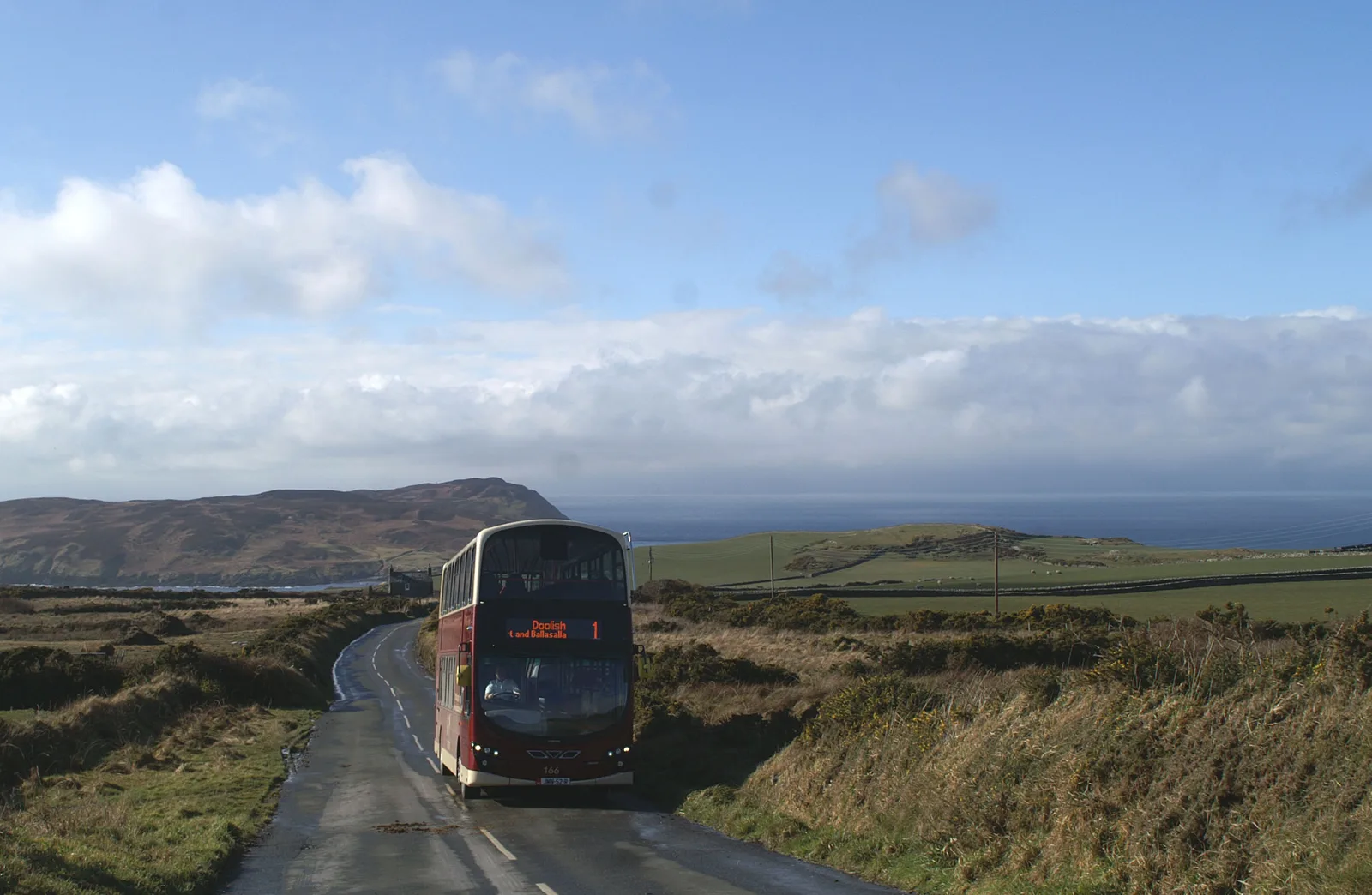
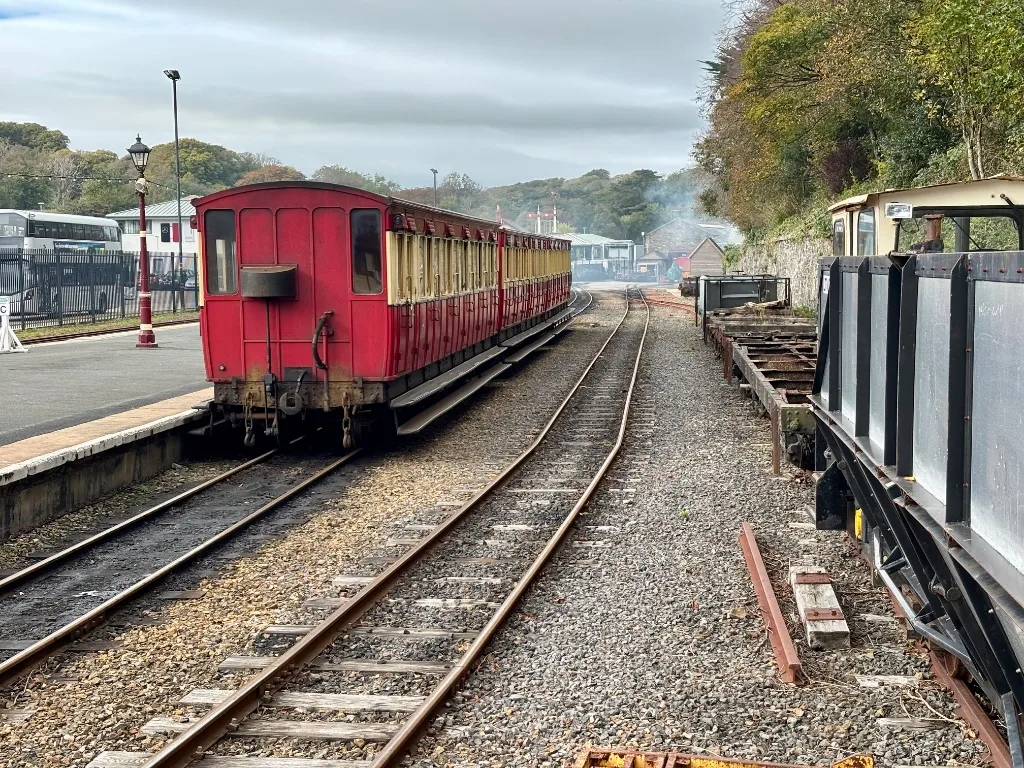
You can have a genuinely good holiday here without driving, which is not true of most rural islands. The island runs an integrated bus network reaching all the towns and most villages, plus a set of railways that are transport and attraction at the same time: the steam railway between Douglas and the south, the Manx Electric Railway up the east coast, the Snaefell Mountain Railway to the summit, and the horse trams along Douglas promenade.
Several of the railways run seasonally rather than year-round, so confirm what is running for your dates directly with the operator before you build a day around one.
Choosing accommodation in Douglas makes the no-car option easiest, because it is where the bus network, the railways and the sea terminal all converge. From the smaller towns you will want to check the service pattern more carefully, particularly on Sundays and out of season.
Phones, Post, Holidays and Health
A short list of the things that catch people out, none of them serious.
| Thing | What to know |
|---|---|
| Mobile | The island has two local mobile networks, Manx Telecom and Sure, according to the regulator CURA. A UK phone roams onto them, and whether that uses your normal allowance depends on your network and tariff. Vodafone says its pay monthly and pay as you go plans include the Isle of Man (Pay as you go Plus customers need to add an extra), and Three says there is no charge to use UK allowances there, subject to its fair use policy. Check your own plan before you travel rather than assuming. |
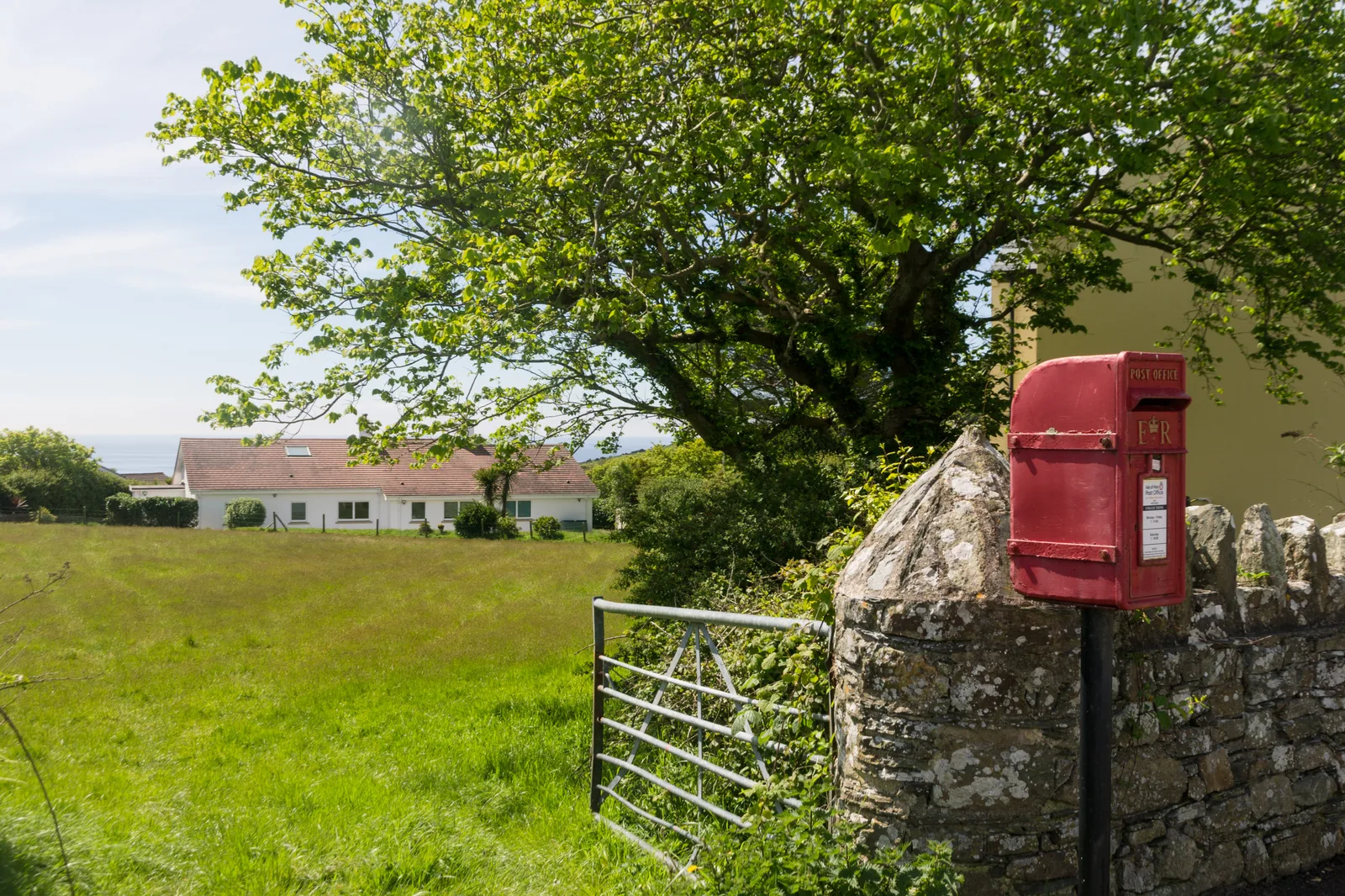
| Post | Isle of Man Post Office is separate from Royal Mail and issues its own stamps. British stamps are not valid here. |
| Time | The same as the United Kingdom, all year. |
| Public holidays | The island keeps most British bank holidays and adds two of its own: a TT Bank Holiday in early June and Tynwald Day in July. Dates are published annually by the government. |
| Healthcare | The island runs its own health service, separate from the NHS. If you need to know how you would be treated for care here, check the current position on gov.im before travelling — and carry travel insurance either way. |
| Language | English throughout. Manx Gaelic survives in place names, in the revival movement and in the school system, and you will see it on signs. |
| Emergencies | 999 works, as does 112. |
The one that costs people money is the mobile tariff, and the one that costs them a day is the public holiday calendar — arriving on Tynwald Day expecting a normal working Monday is a mild but avoidable surprise.
Deciding Where to Base Yourself
Most of the practicalities above interact with one decision: whether you are bringing a car. With a car, the whole island is within about an hour of wherever you sleep and you can base yourself anywhere. Without one, you want to be on the bus and rail spine rather than at the end of it. That question is settled at the same moment you settle how you are travelling, so it is worth reading our guide to ferries and flights to the island alongside the accommodation search rather than after it.
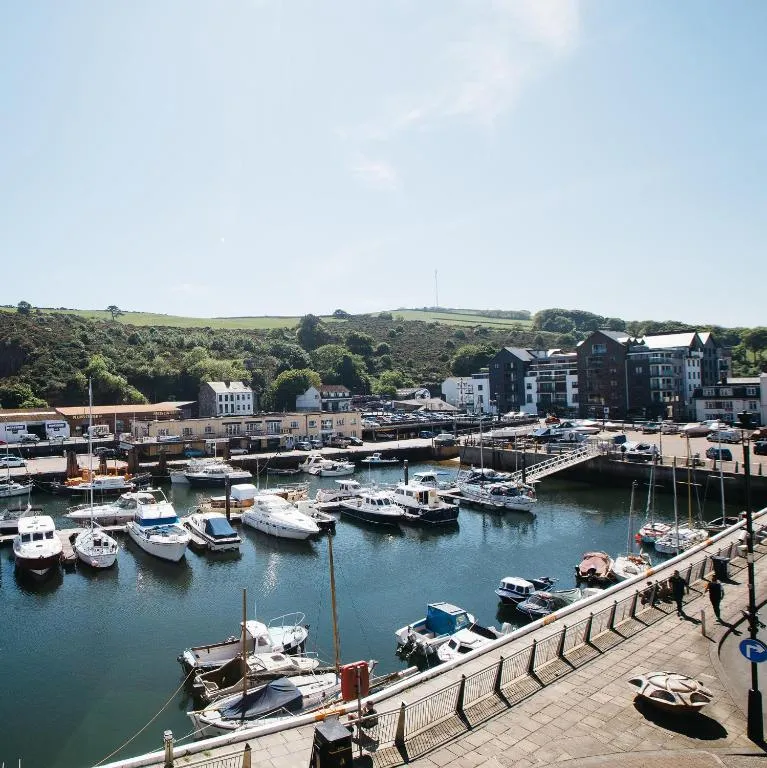
When you are ready, you can browse somewhere to stay on the island by town and by property type, from harbour-front apartments to hotels along Douglas promenade and cottages inland.
Frequently Asked Questions
Do I need a passport to go to the Isle of Man?
Not for immigration purposes if you are a British or Irish citizen travelling from within the Common Travel Area. You do need photo identification that your ferry operator or airline accepts, and their rules differ, so check before you book. Most people take a passport because it is never questioned.
What currency does the Isle of Man use?
The Manx pound, issued by the island under its own currency legislation and worth the same as sterling. Bank of England notes and Manx notes both circulate freely on the island and cards work normally. Manx notes are not legal tender in the United Kingdom, so spend or change them before you leave.
Can I use my UK driving licence on the Isle of Man?
Yes, for a visit. You drive on the left as in Britain. Read the Manx Highway Code before you go, though: the island states plainly that its rules of the road differ from Great Britain's in various material respects, and speed limits in particular do not follow the British pattern.
Is there really no speed limit on the Isle of Man?
There is no general national limit of the British kind, and a substantial part of the rural network is unrestricted. Built-up areas and many individual roads do carry posted limits, 20 mph zones are being introduced in Douglas and Onchan, and careless and dangerous driving are offences everywhere. Unrestricted does not mean unlimited judgement.
Can I visit the Isle of Man on a UK visa?
Yes. Holders of a valid visa for the United Kingdom or the Channel Islands may travel freely around the Common Travel Area without a separate Isle of Man visa. Schengen visas are not valid here. If you arrive via Dublin, you must present yourself and your passport to the Isle of Man Immigration Office.
Do I need an ETA to visit the Isle of Man?
Not with a British or Irish passport. Otherwise you may: the UK government says an ETA covers the UK, Jersey, Guernsey and the Isle of Man for stays of up to six months, and that visitors from Europe, the USA, Australia, Canada and certain other countries usually need one rather than a visa. People with permission to live, work or study in the UK are among those who do not.