Quick Navigation
- What Is the Manx Grand Prix?
- What is the Manx Grand Prix?
- A Century of Amateur Racing: How It Began
- How the Manx Grand Prix Differs From the TT
- Racing Alongside the Classic TT
- Who Races, and in What
- When Is the Manx Grand Prix?
- Watching the Racing
- Choosing a Base for Race Fortnight
- Frequently Asked Questions
- When does the Manx Grand Prix take place?
- Is the Manx Grand Prix the same as the Isle of Man TT?
- Is the Manx Grand Prix easier to get a bed for than the TT?
- What is the Classic TT, and how does it relate to the Manx Grand Prix?
The Manx Grand Prix is an amateur motorcycle road race held every August on the Isle of Man's Snaefell Mountain Course — the same 37.73 miles of public road used for the Isle of Man TT in early summer, closed again for a quieter fortnight of club racing, newcomers and historic machines.
What Is the Manx Grand Prix?
It is run by the Manx Motor Cycle Club rather than the professional TT organisation, for riders who compete without works-team backing or a factory contract. Solo motorcycles race the same course, the same corners and the same closures as the TT, just with a different entry list and a noticeably smaller crowd.
That smaller crowd is the practical reason it matters to a visitor. If you want to stand at a hairpin and watch racing on the Mountain Course without booking a bed a year in advance, the Manx Grand Prix is the easier way in — worth knowing before you start looking at where to stay across the island.
- Who races: amateur and club-level riders, with no factory backing.
- Where: the same 37.73-mile Snaefell Mountain Course as the TT.
- When: every August, in a fortnight now shared with the Classic TT.
A Century of Amateur Racing: How It Began
The Manx Motor Cycle Club set the race up in 1923, under the name the Manx Amateur Motor Cycle Road Race Championships. The club's own account, in its history of the race, is blunt about why: amateur and private riders felt they were being squeezed out of the TT by factory-backed works teams, and wanted a race of their own. The first running had 31 entries across two classes.
Disputes over who actually counted as an amateur dogged the race for its first few years, and in 1930 the club renamed it the Manx Grand Prix to sidestep the argument. The 1930 race drew more than 100 entries, and the winner's average race speed reached 71.13 mph — a sharp jump from the roughly 50 mph average of 1923.
Planning your trip
Staying overnight? Compare live prices and availability across the Isle of Man on Booking.com.
Compare Isle of Man staysWe earn a small commission if you book through this link, at no extra cost to you.
How the Manx Grand Prix Differs From the TT
Both races use the Snaefell Mountain Course in full, and both close the same roads to do it. The difference is in who is racing and how many people turn up to watch. The TT is the professional meeting, with factory teams and the sport's biggest names; the Manx Grand Prix is the amateur and club-level race, and it draws roughly a third of the TT's visitor numbers — a gap wide enough that beds, campsites and ferry space are all noticeably easier to find.
The Manx Grand Prix has also long been a proving ground. Riders test themselves on the Mountain Course here before ever entering the TT, and several TT regulars and former world champions, Geoff Duke and Phil Read among them, started on this course racing as amateurs at the Manx Grand Prix.
Racing Alongside the Classic TT
Since 2013, the Manx Grand Prix fortnight has also carried the Classic TT, a programme of races for historic and classic machines. The split in who runs what can be confusing: the Isle of Man Government promotes and brands the Classic TT races, while the Manx Motor Cycle Club continues to own and run the Manx Grand Prix itself, on the same roads in the same fortnight.
For a visitor the distinction barely matters on the day — the roads close for both, and the programme across the fortnight mixes amateur solo racing with classic and vintage machines being raced in anger rather than just paraded. Our guide to the best time to visit covers how this fortnight sits against the rest of the Manx summer.
Who Races, and in What
Solo classes run from Lightweight up to Senior, graded mainly by engine size, alongside Classic Superbike, Classic Senior and Classic Junior races for older machines under the Classic TT banner. None of it requires a factory ride: riders qualify on their own road-racing record and bring their own machine.
Watch for riders in coloured bibs over their leathers during practice week — they mark newcomers racing the Mountain Course for the first time, often future TT competitors on their earliest laps of the course.
The Manx Motor Cycle Club's own newcomers programme sets out what a first-time rider needs before they are allowed to race here, and it is worth a glance even as a spectator — it explains why practice week always carries more nervous energy than race week.
When Is the Manx Grand Prix?
August, every year, in the fortnight the island shares between the Manx Grand Prix and the Classic TT. The exact dates move from year to year, so rather than quote one here that will be wrong by the time you read it, check the Manx Motor Cycle Club's own current schedule before booking travel.
What doesn't move much is the shape of the fortnight itself: a practice week first, race days building through the second week, and a Bank Holiday weekend finish. If you are weighing August against the rest of the year for a Manx trip, that is covered in more depth in our guide to the best time to visit the island.
Watching the Racing
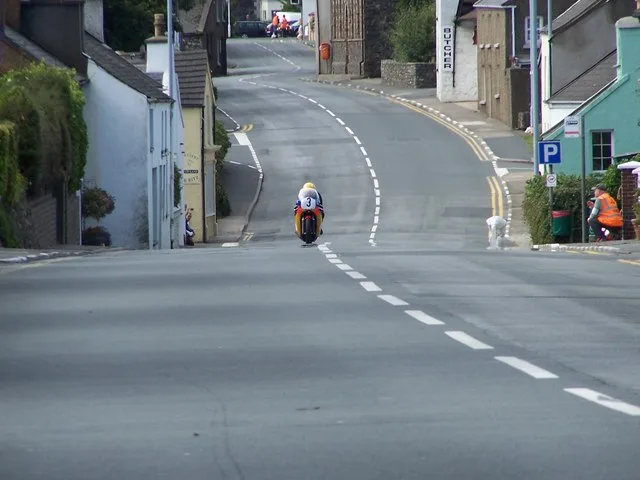
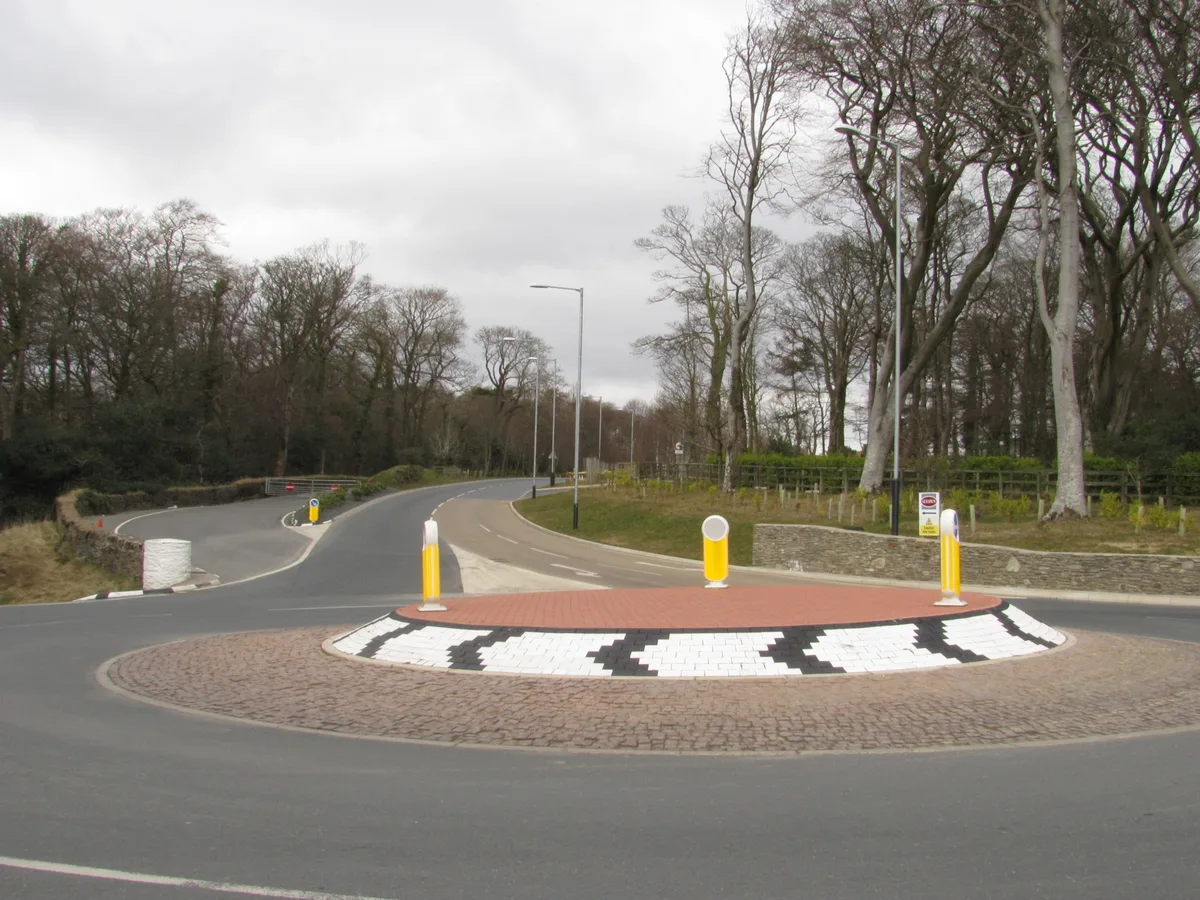
The Mountain Course closes exactly as it does for the TT, and the same vantage points apply. The Grandstand on Glencrutchery Road in Douglas is the start and finish, and the roadside banks along the Mountain section give long, open views of bikes at full lean. The Manx Motor Cycle Club's own visitor guidance also points out that the Snaefell Mountain Railway keeps running from Laxey up to the Bungalow — the point where the line actually crosses the course — which is an easy way to reach a viewpoint without a car during a closure.
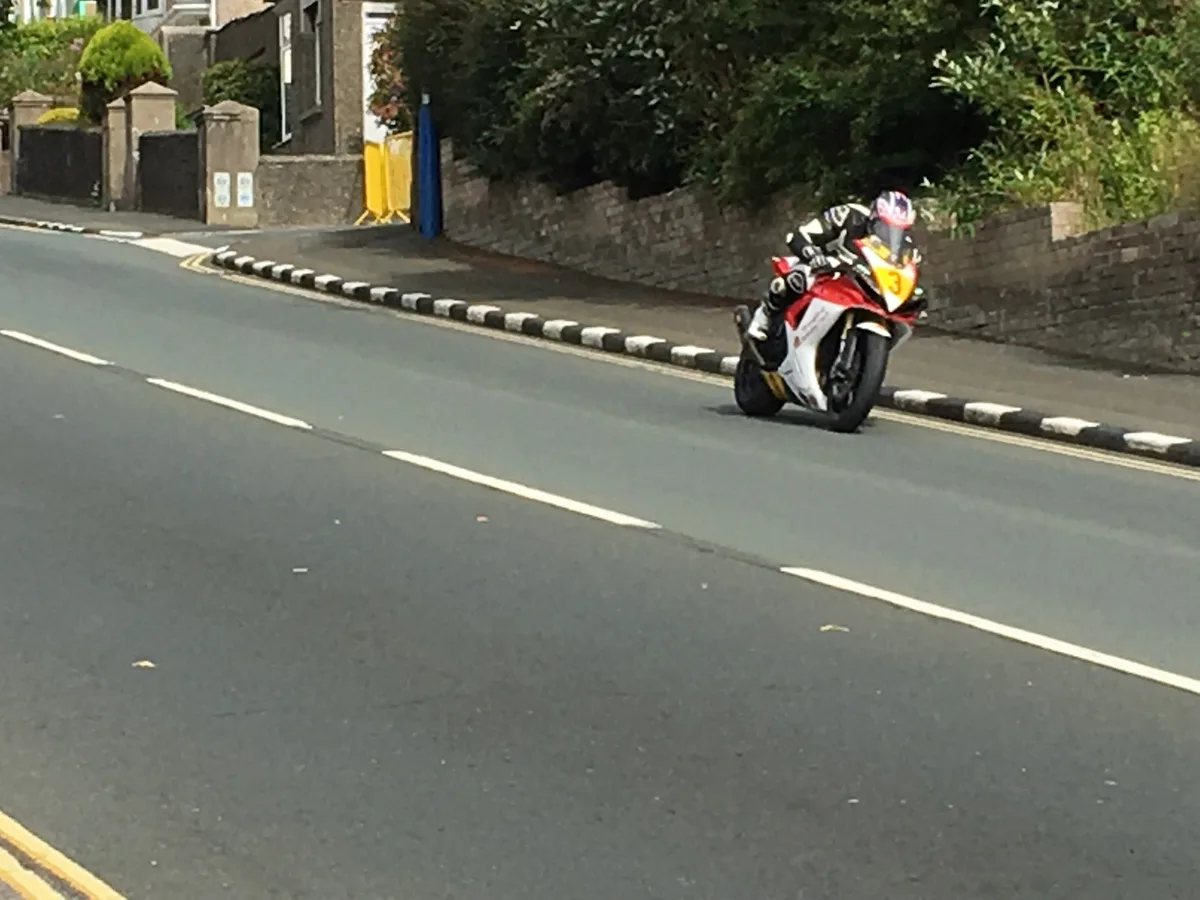
Away from the course, villages along the route such as Kirkmichael and Ramsey fill with spectators for the day, and the closures mean a trip timed around a viewpoint works better as a day built around the racing than a day with other plans squeezed in around it.
Choosing a Base for Race Fortnight
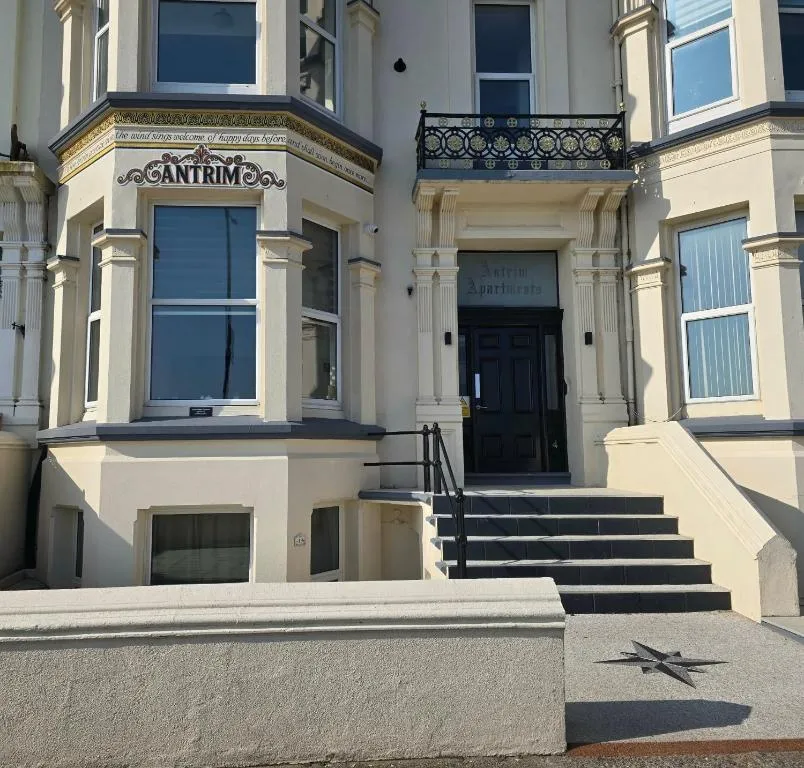
Because the crowd is smaller than the TT's, the Manx Grand Prix fortnight is the more forgiving one for finding a bed, though "easier" still means booking ahead rather than turning up. places to stay in Douglas put you closest to the Grandstand, the ferry terminal and the widest choice of beds, including a run of hotels within walking distance of Glencrutchery Road.
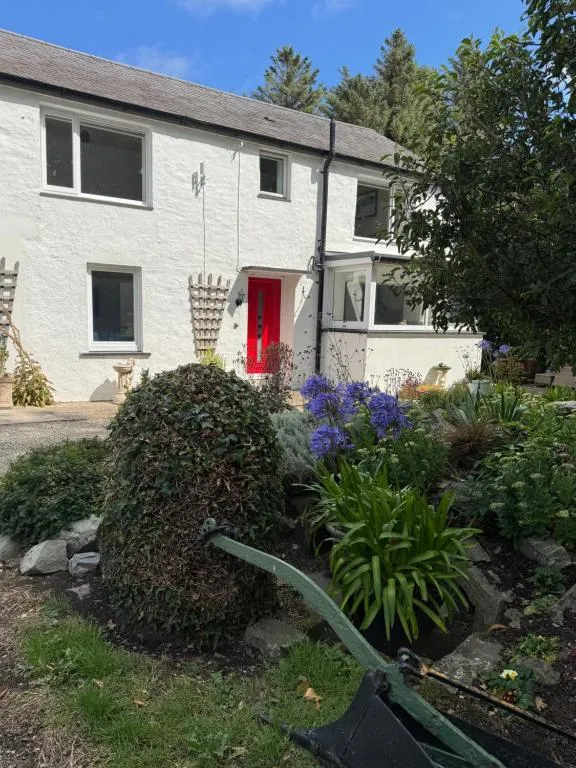
Ramsey's holiday lets, up at the northern end of the course, are the quieter alternative and sit closer to the Mountain section itself; a self-catering apartment in Ramsey suits anyone basing a trip around the northern viewpoints rather than the Grandstand. Whichever end of the island you pick, our full guide to booking a bed around race fortnight covers ferry timing, camping and the island's homestay scheme in more detail than fits here.
Frequently Asked Questions
What is the Manx Grand Prix?
It is an amateur motorcycle road race on the Isle of Man's Snaefell Mountain Course, run every August by the Manx Motor Cycle Club for riders without factory backing. It uses the same 37.73-mile course as the TT, closed for a second, quieter fortnight of racing.
When does the Manx Grand Prix take place?
Every August, in a fortnight now shared with the Classic TT. The exact dates change year to year, so check the Manx Motor Cycle Club's current schedule before booking travel rather than relying on a previous year's dates.
Is the Manx Grand Prix the same as the Isle of Man TT?
No. Both races use the same Mountain Course, but the TT is the professional meeting held in late May into early June, while the Manx Grand Prix is the amateur and club-level race held in August and run by a different organiser, the Manx Motor Cycle Club.
Is the Manx Grand Prix easier to get a bed for than the TT?
Considerably. It draws roughly a third of the TT's visitor numbers on the same fixed stock of beds, so accommodation, ferry space and camping pitches are all under less pressure, even though booking ahead still pays off.
What is the Classic TT, and how does it relate to the Manx Grand Prix?
The Classic TT is a programme of races for historic and classic machines, added in 2013 and now run in the same fortnight as the Manx Grand Prix on the same course. The Isle of Man Government promotes the Classic TT races; the Manx Motor Cycle Club continues to own and run the Manx Grand Prix itself.