
Quick Navigation
- Why Race Fortnight Is the Hardest Booking on the Island
- Booking Rolls Over Before the Racing Has Finished
- Six Kinds of Bed, and Who Each One Suits
- TT Packages: Travel and a Bed in One Booking
- Where to Stay: Douglas, the Course, or the Quiet South
- Road Closures Decide How Your Day Works
- What to Check Before You Commit
- The Manx Grand Prix Is the Easier Bed Market
- Getting Your Own Booking Moving
- Frequently Asked Questions
- How far in advance should I book Isle of Man TT accommodation?
- Is it better to stay in Douglas or out on the TT course?
- What is the Isle of Man homestay scheme?
- Do I need to book the ferry before I book a bed?
- Can I camp at the Isle of Man TT?
- Is the Manx Grand Prix easier to find accommodation for?
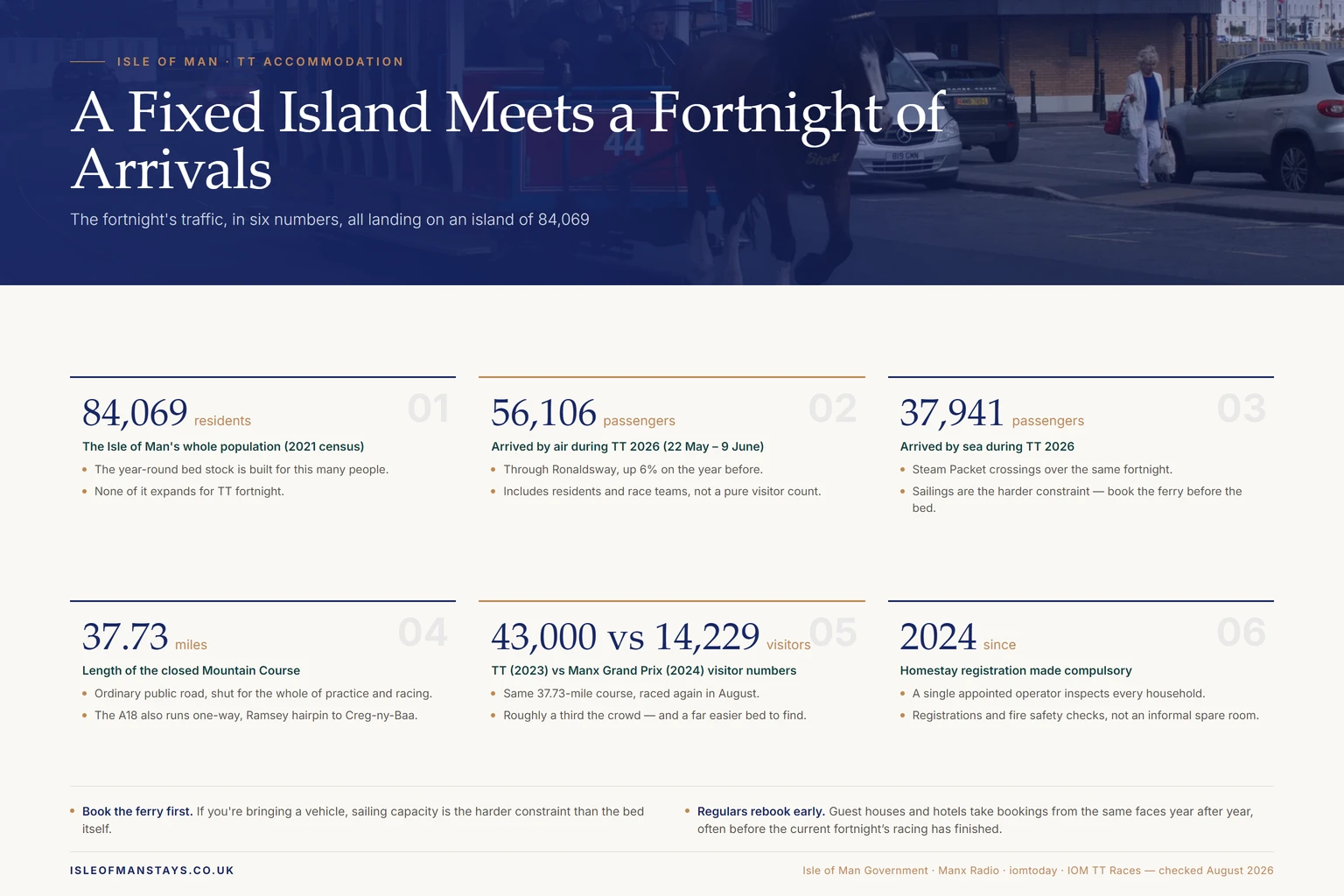
Where to stay for the Isle of Man TT: the best base is a bed you can walk to from wherever you plan to spend race days – a Douglas base for the Grandstand and the ferry, a village on the course for atmosphere, or Castletown, Port Erin and Port St Mary for quiet. The time to book it is now, roughly a year ahead of the fortnight you want. The island's year-round bed stock is fixed to a resident population of 84,069; TT demand is not, and it arrives all at once.
The short answer
- Where to stay. Douglas for convenience and the ferry link, a village on the course for atmosphere, or Castletown, Port Erin and Port St Mary for quiet.
- When to book. Roughly a year ahead – regulars rebook before the current year's racing has even finished.
- Homestay is already moving. The official scheme, run by a government-appointed operator that inspects every host, has host registration open and already lists TT 2027 in its search.
- The course closes the roads. 37.73 miles of ordinary public road shut for the whole of practice and racing, with the A18 running one-way from the Ramsey hairpin to Creg-ny-Baa.
- Book the ferry first. If you're bringing a vehicle, Steam Packet sailing capacity is the harder constraint than the bed itself.
- Want an easier fortnight? The Manx Grand Prix races the same course in August and draws roughly a third of the TT's crowd.
Why Race Fortnight Is the Hardest Booking on the Island
The Isle of Man is a small place that briefly hosts a very large event. The 2021 census recorded a resident population of 84,069, published by the Isle of Man Government. That population supports a year-round stock of hotels, guest houses, self-catering cottages and campsites. None of it expands for the TT.
The arrivals side moves a great deal. Manx Radio reported that 56,106 people travelled through Ronaldsway airport between 22 May and 9 June 2026, up six per cent on the year before, while the Steam Packet carried 37,941 passengers over the same festival. Read those carefully: they count passenger movements, so residents, race teams and contractors sit inside them. They are not a visitor count. What they show is a fortnight of traffic pressing on a bed stock that does not move at all.
Booking Rolls Over Before the Racing Has Finished
The clearest evidence of how early this market moves is the ferry. The Steam Packet takes deposit-only bookings for the following year's TT long before it publishes a full schedule or a price list, and its own page is blunt about the terms: those deposits are non-refundable, the balance is invoiced months later, and missing that deadline loses you both the booking and the deposit.
Accommodation behaves the same way. Guest houses and hotels fill with the same faces every year, and regulars rebook before they go home. The homestay scheme runs on a similar clock, with host registration for the next two years' TT and MGP editions opening the September before; the official homestay site already offers TT 2027 in its search. By the time a first-timer starts searching in the spring, the close-in beds you can walk home to have gone.
Planning your trip
Staying overnight? Compare live prices and availability across the Isle of Man on Booking.com.
Compare Isle of Man staysWe earn a small commission if you book through this link, at no extra cost to you.
Six Kinds of Bed, and Who Each One Suits
Race fortnight puts the island's full range of accommodation in play, including a category that does not exist the rest of the year. Choosing comes down to how much you mind sharing a kitchen, and how much you mind driving.
| Bed type | Suits | What you give up | How early to move |
|---|---|---|---|
| Hotels | Couples, and anyone who wants a lock-up-and-leave base with a bar downstairs | Usually a kitchen of your own | A year out |
| Guest houses | Returning regulars, solo travellers, riders who want a Manx breakfast and local knowledge | Loyal repeat clientele who rebook year after year | A year out; ask about cancellations |
| Self-catering | Groups and families who want to cook, and who arrive with bikes and kit | Often a full-week or full-fortnight minimum | A year out; check minimum stay |
| Homestay | Visitors happy to stay in a Manx household, often near the course | Privacy; you are a guest in someone's home | When the year's hosts are listed |
| Glamping | Anyone wanting to be on the course without pitching a tent in the rain | Choice – only a handful of operations | When the operator opens the year |
| Campsites | Riders travelling light, and anyone putting proximity above comfort | Comfort and shelter; an on-course pitch can fence you in | Latest of the six, but not spring |
Homestay is worth understanding properly, because it is a formal scheme rather than an informal spare-room market. The Isle of Man Government confirmed in January 2024 that registration is compulsory for any household hosting paying visitors during the TT and Manx Grand Prix, and that the operator handles registrations, property inspections and fire safety. Somebody has been round and checked it.
Camping splits into permanent sites and temporary ones that exist only for the event. The official TT camping guide describes Braddan Bridge as a temporary campsite opening just before and closing just after the fortnight, right beside the course in Douglas, with Quarterbridge on the course's first corner and glamping run from Ballakermeen High School, a short walk from Bray Hill.
Several of the temporary sites the organisers list sit on sports grounds and a school site lent out for the fortnight. The organisers' own checklist is a good one:
- Pre-erected tents. Whether tents come pre-erected, which matters if you fly in.
- Facilities. Showers, food and space for your whole group.
- Parking. Whether the site has any, and where.
- Public transport. How close the site is to it.
- On or off the course. A site on the course is ideal for watching but can leave you stuck there while the roads are shut.
Temporary sites are not guaranteed to return every year, so confirm on each site's own booking page for the year you want.
TT Packages: Travel and a Bed in One Booking
If queueing separately for a crossing and a bed sounds like too much, a package puts them in one booking. The organisers publish a short list of approved TT travel partners, grouped by the markets they sell to, whose package tours cover travel and accommodation and can be tailored to your budget and add-ons. The TT's own hospitality packages are a different product: race-day grandstand hospitality rather than a bed.
A package does not get round the queue; it joins it earlier. It draws on the same ferry capacity and the same fixed stock of beds, and at least one approved partner was already listing packages for the following year's racing by September 2026. Before you pay, ask exactly:
- Which property you will sleep in.
- Which side of the course it sits on.
- What the minimum stay is.
- Whether the ferry is a named sailing or merely an allowance.
Those are the same questions you would ask booking direct, and a package that cannot answer them is not saving you any work.
Where to Stay: Douglas, the Course, or the Quiet South
Three broad strategies work, and they trade off in a way that is only obvious once you have thought about the closures.
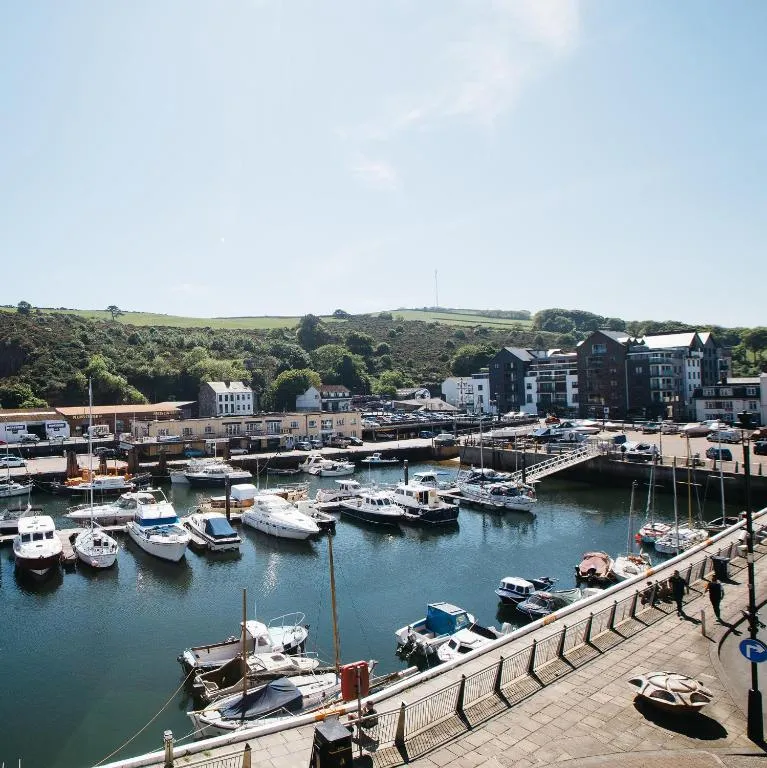
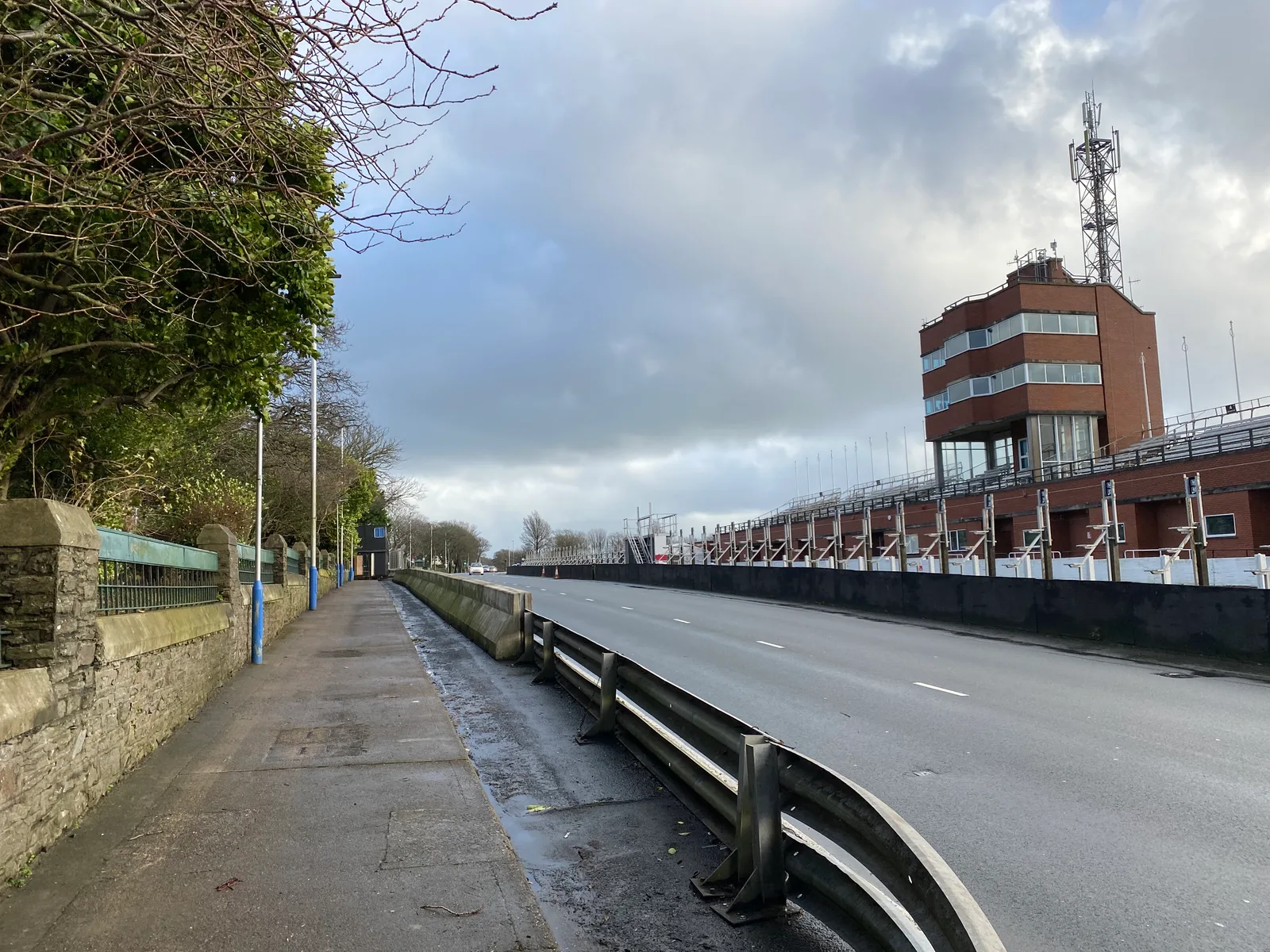
A base in Douglas for race fortnight puts you inside the event. The Grandstand, the paddock and the fan park are all on Glencrutchery Road at the top of the town, the ferry lands at the Sea Terminal at the other end of the promenade, and the walk between them is a normal walk rather than a logistical exercise. It is also the island's most contested accommodation during race fortnight.
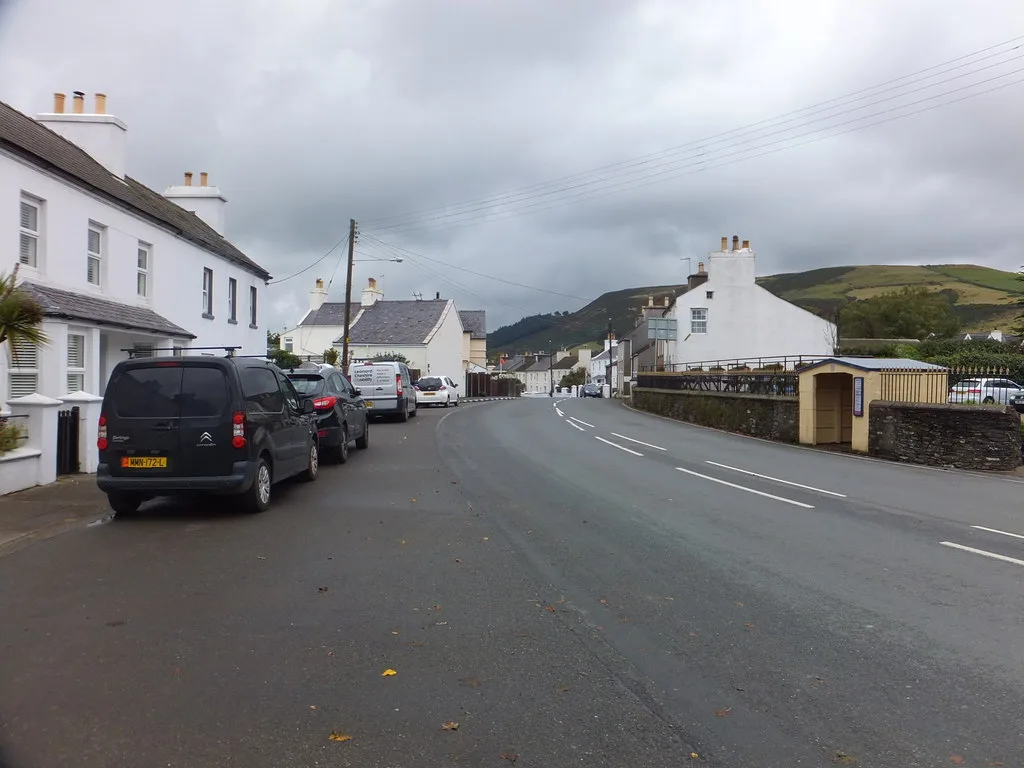
Staying out on the course – Ramsey, Kirk Michael, Ballaugh, the villages along the north – buys a vantage point on your doorstep and an atmosphere you get nowhere else. The cost is mobility. Once the roads shut you are on whichever side of the circuit your bed happens to be, and there you stay.
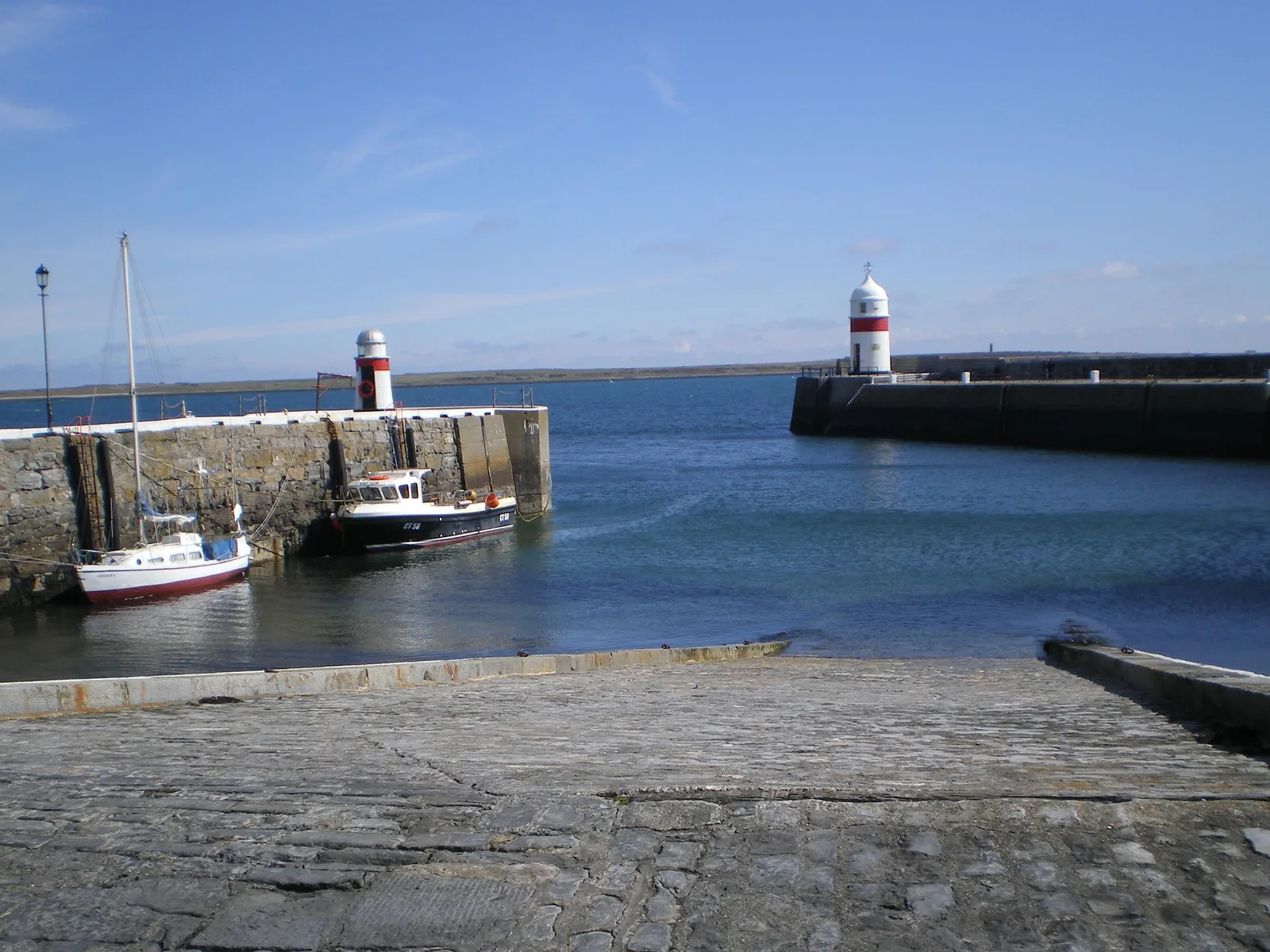
The south is the quiet option. Castletown, Port Erin and Port St Mary sit well away from the circuit, and the official camping guide makes the point itself, calling the Castletown site “further from the course so it's often quieter”. You drive or take the bus in and plan around closures, and in return you sleep somewhere that is not humming at two in the morning. If that is the trade you want, start with places to stay in Castletown.
Road Closures Decide How Your Day Works
The Mountain Course is 37.73 miles of ordinary public road, closed for practice and for racing. When it is closed it is not a road at all. The organisers' own spectating guidance is that the roads stay shut until the roads-open car has passed, and entering the circuit once the roads are closed is an offence, not a lapse of etiquette.
The Mountain Road adds a second layer. For the whole event period, not merely during racing, the A18 runs one-way in the racing direction from the Ramsey hairpin to Creg-ny-Baa – a system introduced to cut head-on collisions. If your bed is on the wrong side of that, a short hop becomes a long way round.
Which is why walking distance beats mileage here. Work out where you intend to spend your afternoons, then read how spectating actually works, so you choose a bed against a plan rather than a map.
What to Check Before You Commit
- Minimum stay. Ask whether the property takes short bookings across race fortnight or insists on a full week or the full two. This is the commonest reason a listing that looks available turns out not to be.
- The crossing, first. If you are bringing a vehicle you have no alternative to the ferry, and its capacity is the harder constraint. Check current sailings with the Steam Packet before committing to a bed, and see how the crossings and flights work if you have not travelled here before.
- Parking, and where. Establish whether there is off-street parking and whether it sits inside or outside the course. Official guidance also asks visitors to keep access roads clear, the hospital route included.
- What you can reach on foot. Food, a bar, a bus stop and a vantage point within walking distance turn a closure from a problem into an afternoon.
- What is included. Breakfast, bedding, kitchen access and secure bike storage all vary; homestay listings run from hosted bed and breakfast to a whole property with the owner away.
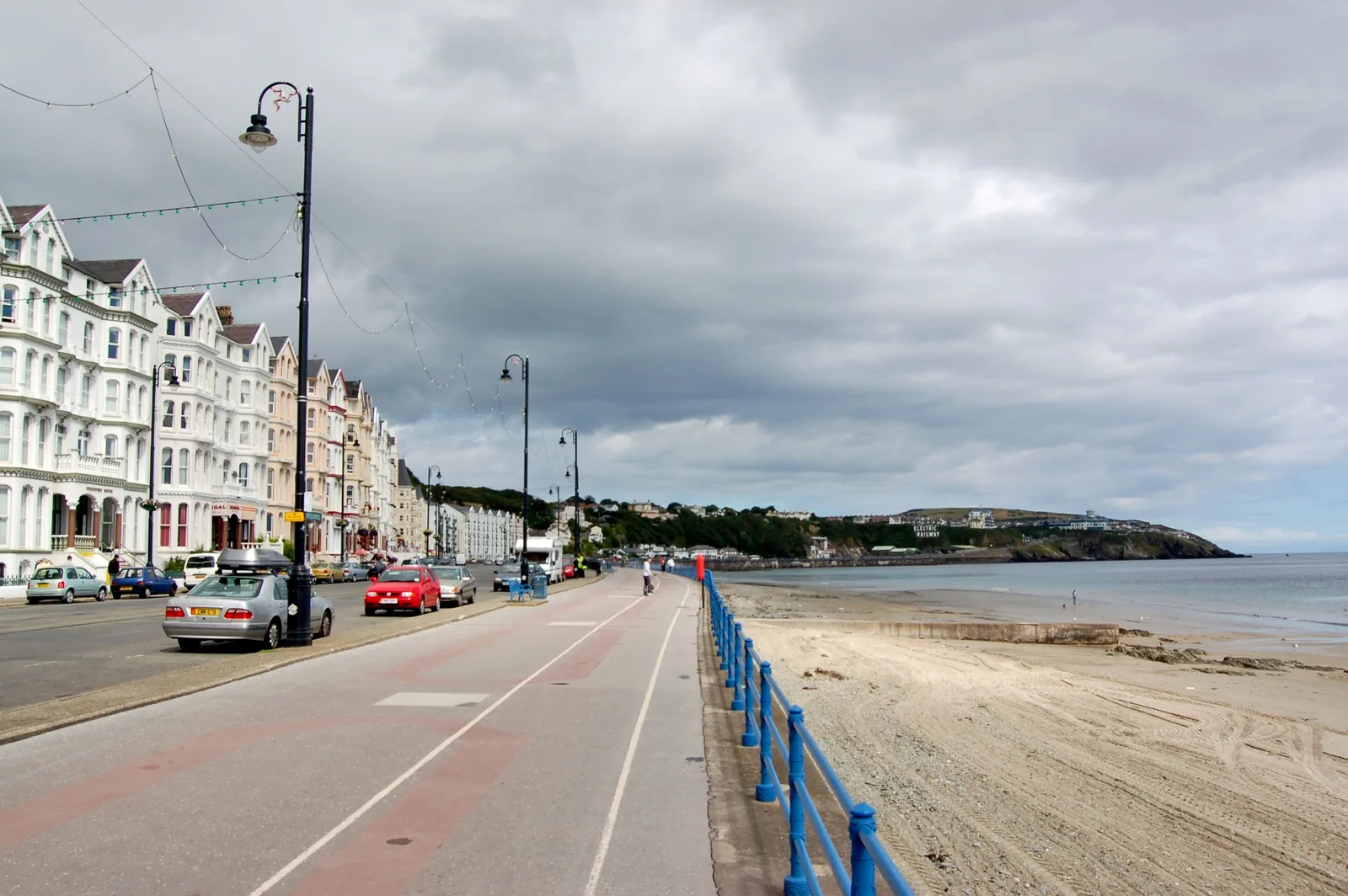
If a hotel is what you want, they cluster along the seafront: the hotels along Douglas promenade are the closest thing the island has to a purpose-built base for the fortnight.
The Manx Grand Prix Is the Easier Bed Market
The same 37.73 miles of road are raced again in August, at the Manx Grand Prix. It is the meeting for riders who have not qualified for the TT, and it draws materially fewer visitors. That makes it the sensible answer for anyone who wants to stand at Ballaugh Bridge without spending a year queueing for a bed, and our full guide to the Manx Grand Prix covers its history and how to watch it.
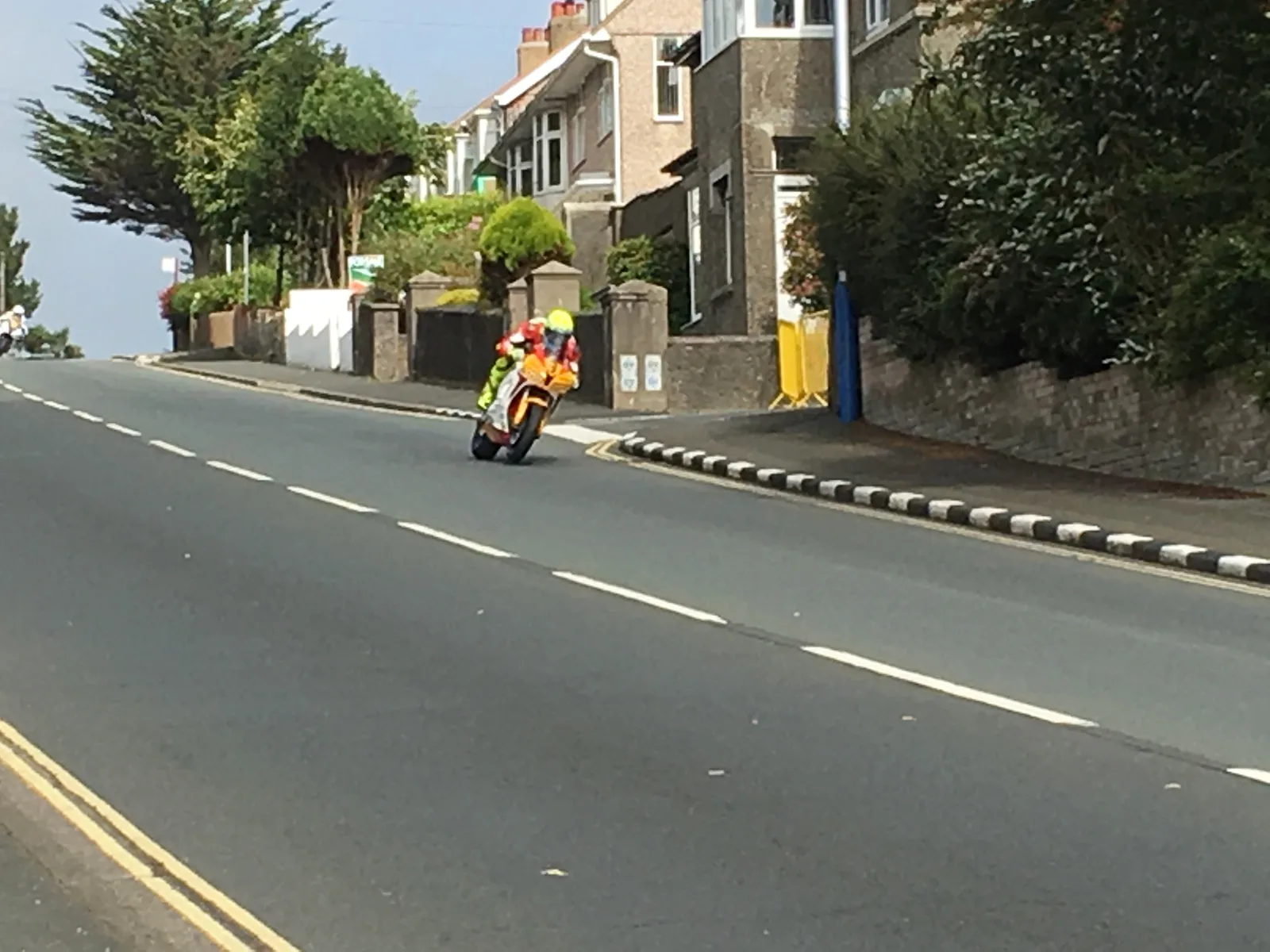
The trade-off is honest rather than hidden. You get the roads, the closures, the marshals and the noise; you do not get the TT's field or its crowds. If you are weighing August up alongside a summer trip, our guide to where to stay across the island covers the towns in more depth.
Getting Your Own Booking Moving
The order is simple, even if the queue is not. Fix your travel, decide which side of the course you want to be on, then take whatever suitable bed is genuinely available rather than holding out for a better one. Our listings of Isle of Man accommodation cover hotels, guest houses and self-catering across Douglas, Ramsey, Peel, Castletown and the south, so you can see the shape of the supply before you pick a town.
Frequently Asked Questions
How far in advance should I book Isle of Man TT accommodation?
As early as you realistically can, and ideally a year out. Across ferries and beds alike, next year's booking opens before this year's racing is over, and regulars rebook first – a fixed island of 84,069 residents is absorbing tens of thousands of extra arrivals in a single fortnight, so early movers get first choice. Booking late does not usually mean paying more; it means choosing from what nobody else wanted.
Is it better to stay in Douglas or out on the TT course?
Douglas keeps you close to the Grandstand, the paddock and the ferry, and lets you walk rather than drive. A bed out on the course gives you a vantage point on the doorstep but locks you to one side of the circuit whenever it closes. Choose Douglas for flexibility, the course for atmosphere, the south for quiet.
What is the Isle of Man homestay scheme?
It is a registered letting scheme that allows Manx households to host paying visitors during the TT and Manx Grand Prix. The Isle of Man Government confirmed in January 2024 that registration is compulsory and that the appointed operator handles registrations, property inspections and fire safety. Options run from hosted bed and breakfast to a whole property.
Do I need to book the ferry before I book a bed?
If you are bringing a vehicle, yes. The ferry is the only way to bring a bike or car, capacity is finite, and the Steam Packet sells the TT period on non-refundable deposits well before publishing a full schedule. A bed you cannot reach is not a booking. Flying and hiring on the island is the alternative.
Can I camp at the Isle of Man TT?
Yes. Alongside the island's permanent campsites, sports clubs and schools host temporary sites for the fortnight, from bring-your-own-tent pitches to pre-erected bell tents. Temporary sites vary year to year and a course-side pitch can trap you inside a closure, so check each site's own page first.
Is the Manx Grand Prix easier to find accommodation for?
Considerably. The Manx Grand Prix runs on the same Mountain Course in August but draws roughly a third of the TT's visitor numbers, so the pressure on the same fixed bed stock is far lower – you can plan and book later and still get a good spot. If your interest is the roads rather than the TT's crowds and start list, it is the more relaxed way to see the course used in anger.