Quick Navigation
- Start With the Map, Not the Listings
- Douglas: The Default, and Usually the Right One
- Peel: The Castle, the Harbour and the Evenings
- Ramsey and the Northern Plain
- Castletown, Port Erin and the South
- Laxey: Small, Better Connected Than It Looks
- Car or No Car Changes the Answer
- Choosing by Trip Type
- Frequently Asked Questions
- Where is the best place to stay on the Isle of Man?
- Is it better to stay in Douglas or Peel?
- Can you visit the Isle of Man without a car?
- Which town is best for the TT races?
- What is the largest town on the Isle of Man?
Stay in Douglas if this is your first visit or you want to travel without a car — it holds the ferry terminal, the bus station and the termini of both heritage railways, plus the largest choice of places to stay. Choose Peel for west-facing sunsets and the castle, Ramsey for the quiet north, and Castletown, Port Erin or Port St Mary for the south. No two towns on the island are much more than half an hour apart by road, so the real choice is not distance but what you can reach on foot or by rail.
The short answer
- Best all-round base: Douglas — the ferry terminal, bus station and the termini of both the Manx Electric and steam railways all sit within walking distance of the same bed.
- Best for character: Peel — the island's second-largest town (5,710 residents, 2021 census), west-facing, with the castle and a working fishing harbour, but no railway of its own.
- Best for quiet: Ramsey — the largest of the island's three official towns (8,288 residents), at the northern terminus of the 17.5-mile Manx Electric Railway.
- Best for a short airport transfer: Castletown — the old capital until 1869, and the closest base to Ronaldsway Airport.
- Best for beaches and walking: Port Erin — the western terminus of the steam railway, beneath Milner's Tower on Bradda Head.
- Best for connections despite its size: Laxey — a village of well under two thousand people, but the meeting point of the Manx Electric and Snaefell Mountain railways.
Start With the Map, Not the Listings
The island runs roughly south-west to north-east, about 32 miles by 14. Douglas sits halfway down the east coast; Peel faces west; Ramsey holds the northern end; Castletown, Port Erin and Port St Mary occupy the southern tip; Laxey lies between Douglas and Ramsey. Nowhere is much more than half an hour's drive from anywhere else.
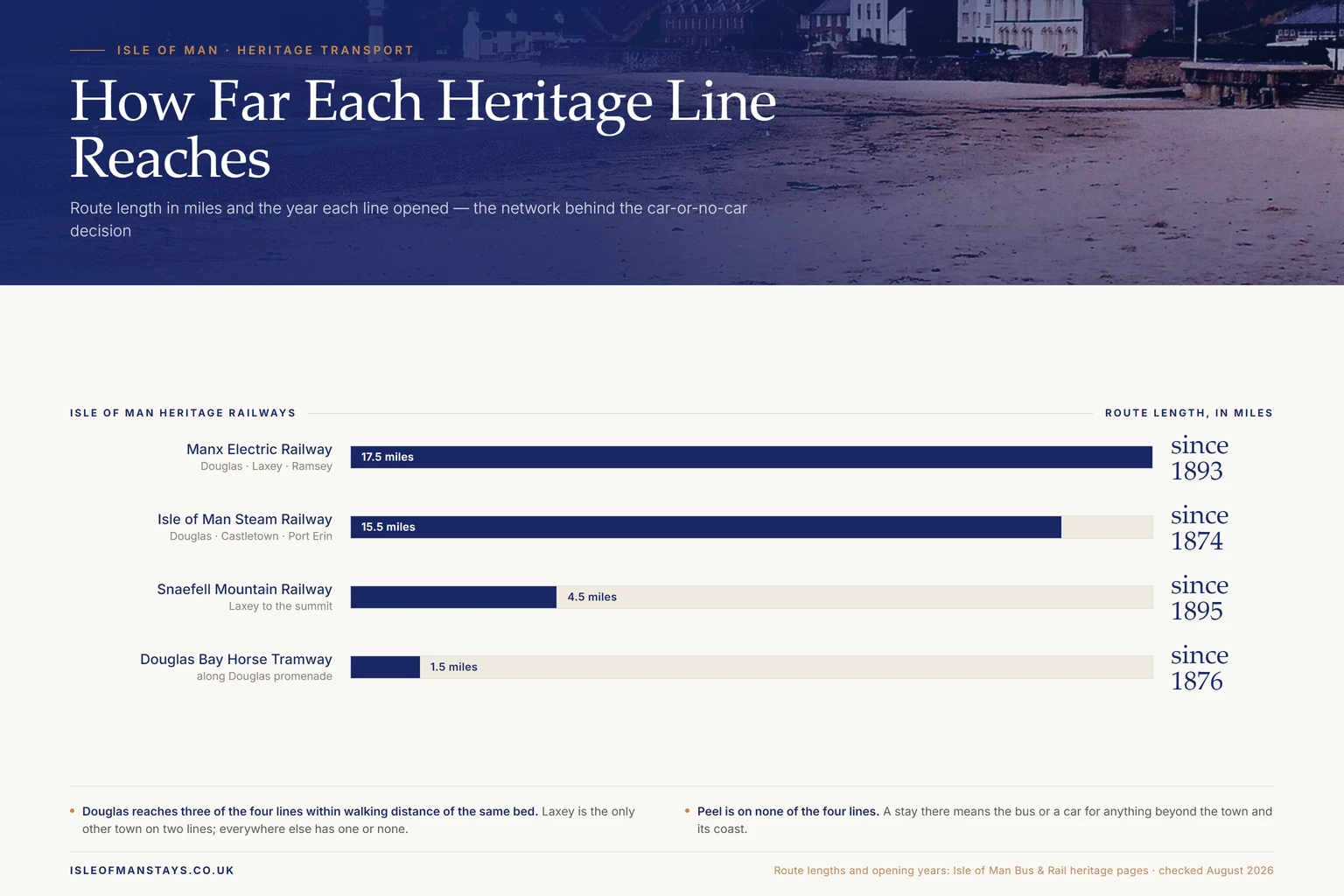
What varies is not the distance but the connection. Douglas, Laxey and Ramsey are strung along the Manx Electric Railway. Douglas, Castletown, Port St Mary and Port Erin are strung along the steam railway. Peel is on neither. That single fact decides more holidays than any brochure description.
| Base | Where it is | Best for | Getting around |
|---|---|---|---|
| Douglas | Mid east coast; the capital | First visits, no-car trips, the TT | Ferry terminal, buses, both railways, horse trams |
| Peel | West coast | Castle, harbour, western evenings | Buses only — no rail line |
| Ramsey | North coast | Quiet weeks, northern beaches | Manx Electric terminus, buses |
| Castletown | South coast | Heritage, short airport transfers | Steam railway, buses, airport |
| Port Erin | South-west | Beaches, walking, sunsets | Steam railway terminus, buses |
| Port St Mary | The next bay round | Quiet stays, coast path | Steam railway, buses to the Sound |
| Laxey | East coast, mid-island | Snaefell, the Wheel, railways | Manx Electric and Snaefell lines |
Douglas: The Default, and Usually the Right One
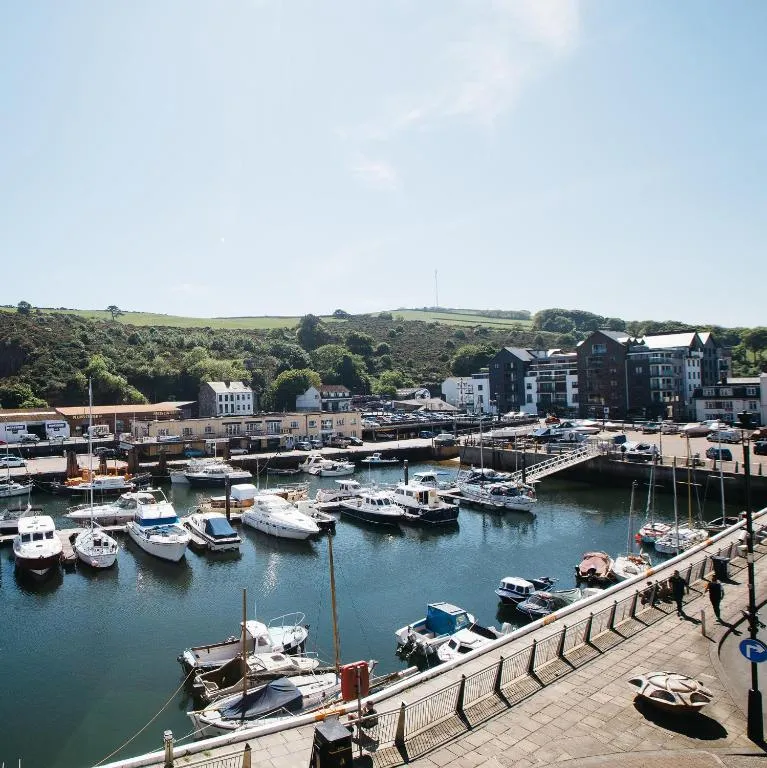
Douglas is the only base where you can arrive by sea and walk to your room, and it carries the island's largest concentration of hotels and guest houses because it was built to: the seafront terraces went up for the Victorian steamer trade. It became the seat of Tynwald in 1869, taking the role from Castletown, and now holds city status — which is why Ramsey, not Douglas, ranks as the island's largest official town, though the village of Onchan, just outside Douglas, actually has more people again.
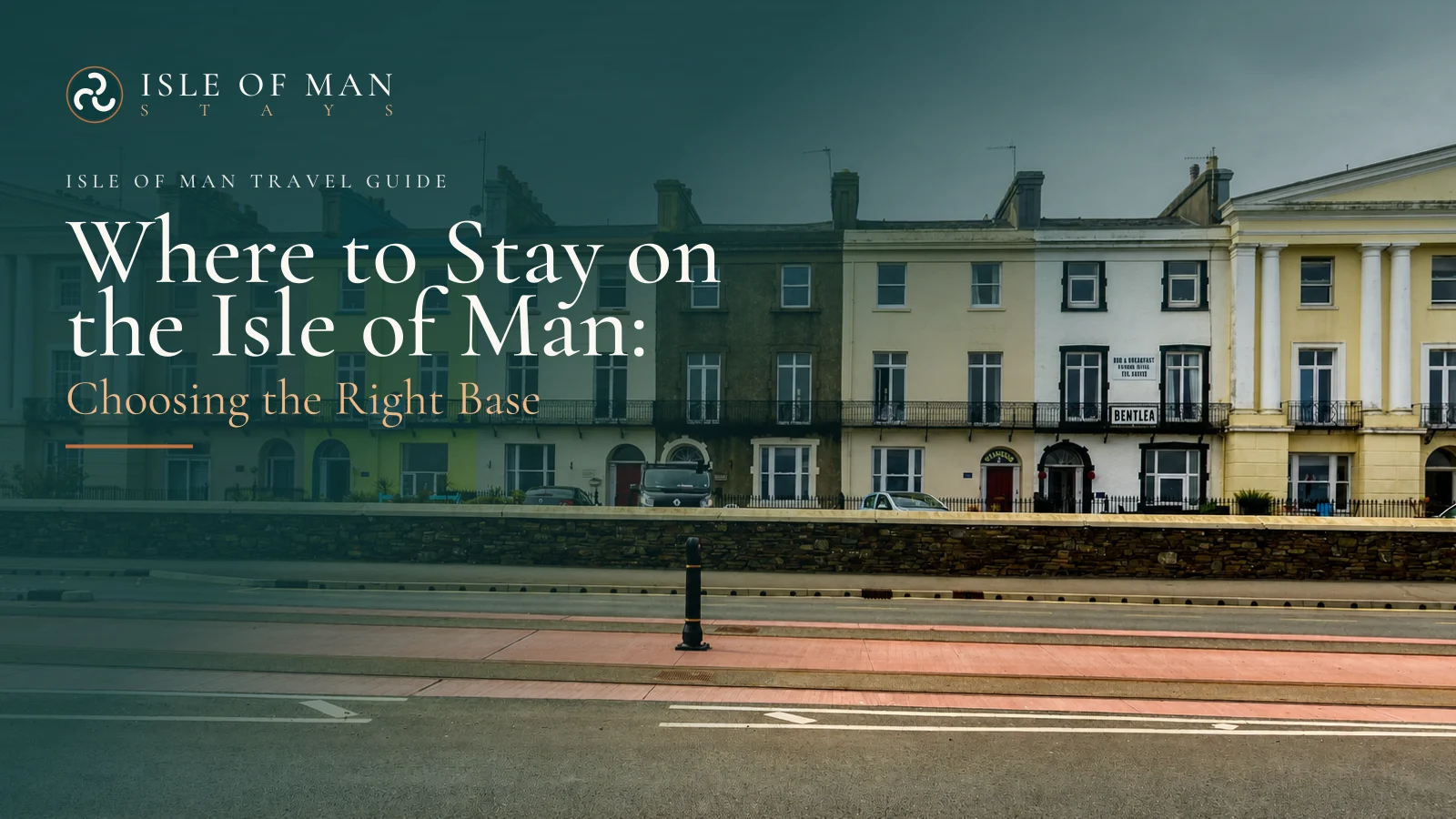
The promenade is the reason to stay here. Built up in stages from 1868 to the 1890s and only recently reconstructed end to end along its 2.6 kilometres, it still carries most of the town's hotels and guest houses in the terraces behind it.
The Sea Terminal anchors the southern end and Derby Castle the northern; between them runs the Douglas Bay Horse Tramway, which opened in 1876 and marks its 150th anniversary in 2026. Out in the bay stands the Tower of Refuge, built on Conister Rock at the urging of RNLI founder Sir William Hillary.
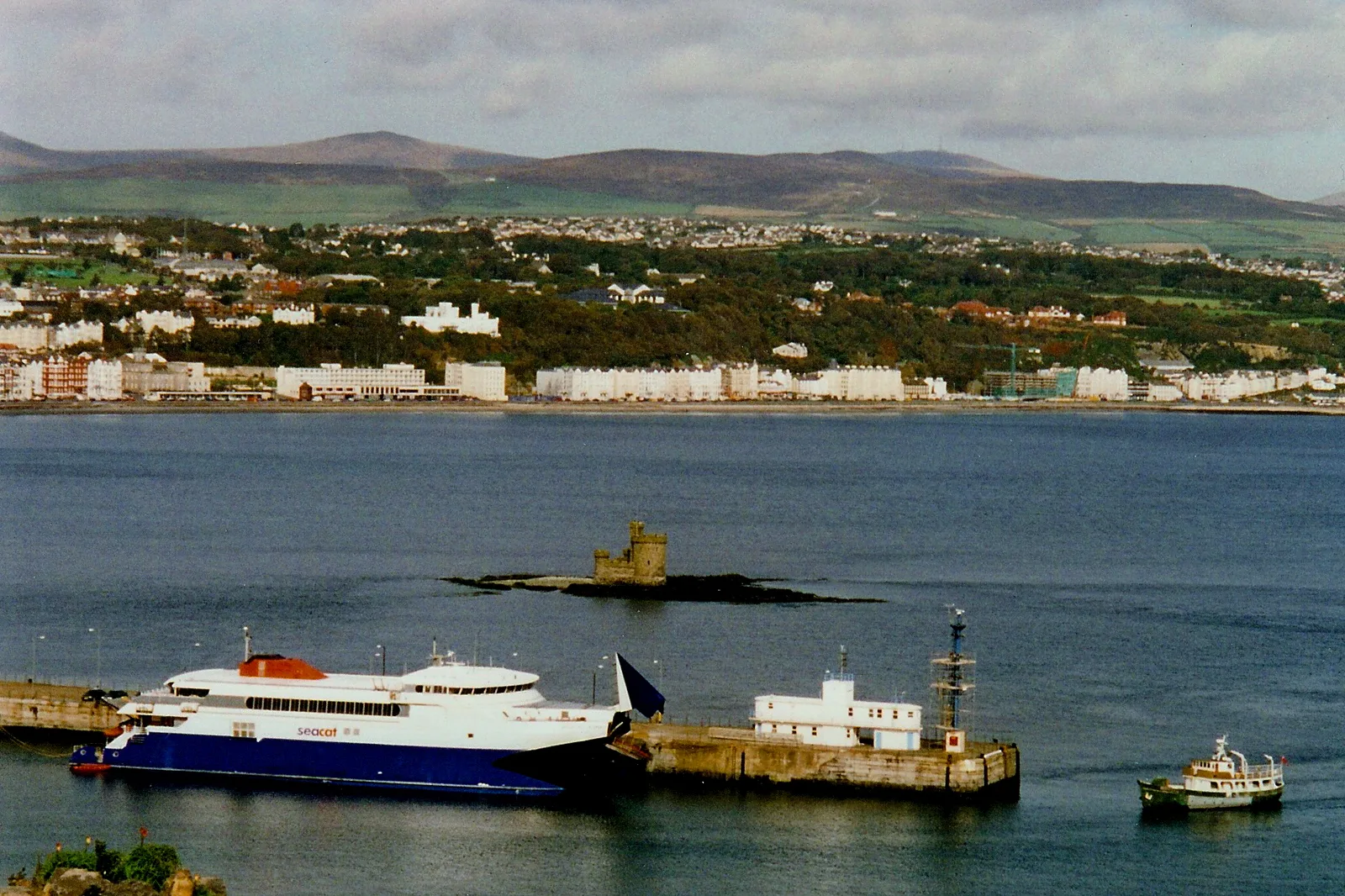
Derby Castle is also the Douglas terminus of the Manx Electric Railway, and Douglas Railway Station on Banks Hill is the terminus of the steam line. Nowhere else puts both within walking distance of the same bed, which is why the range of places to stay in Douglas is so wide.
Planning your trip
Staying overnight? Compare live prices and availability across the Isle of Man on Booking.com.
Compare Isle of Man staysWe earn a small commission if you book through this link, at no extra cost to you.
Peel: The Castle, the Harbour and the Evenings
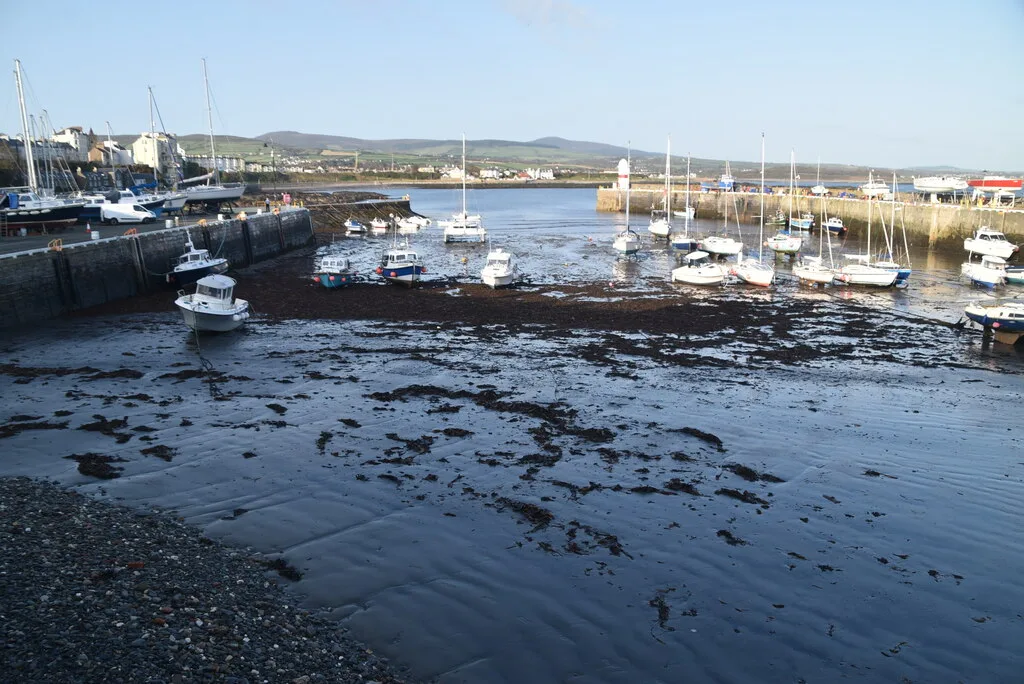
Peel is the island's second-largest town and the one visitors most often wish they had chosen. It faces west, so it takes the evening light the east coast never gets, and the Manx government still calls it the most active fishing port on the island. One caveat, because guidebooks have not caught up: Moore's, the last traditional kipper yard, smoking herring in Peel since 1882, closed for good in October 2023.
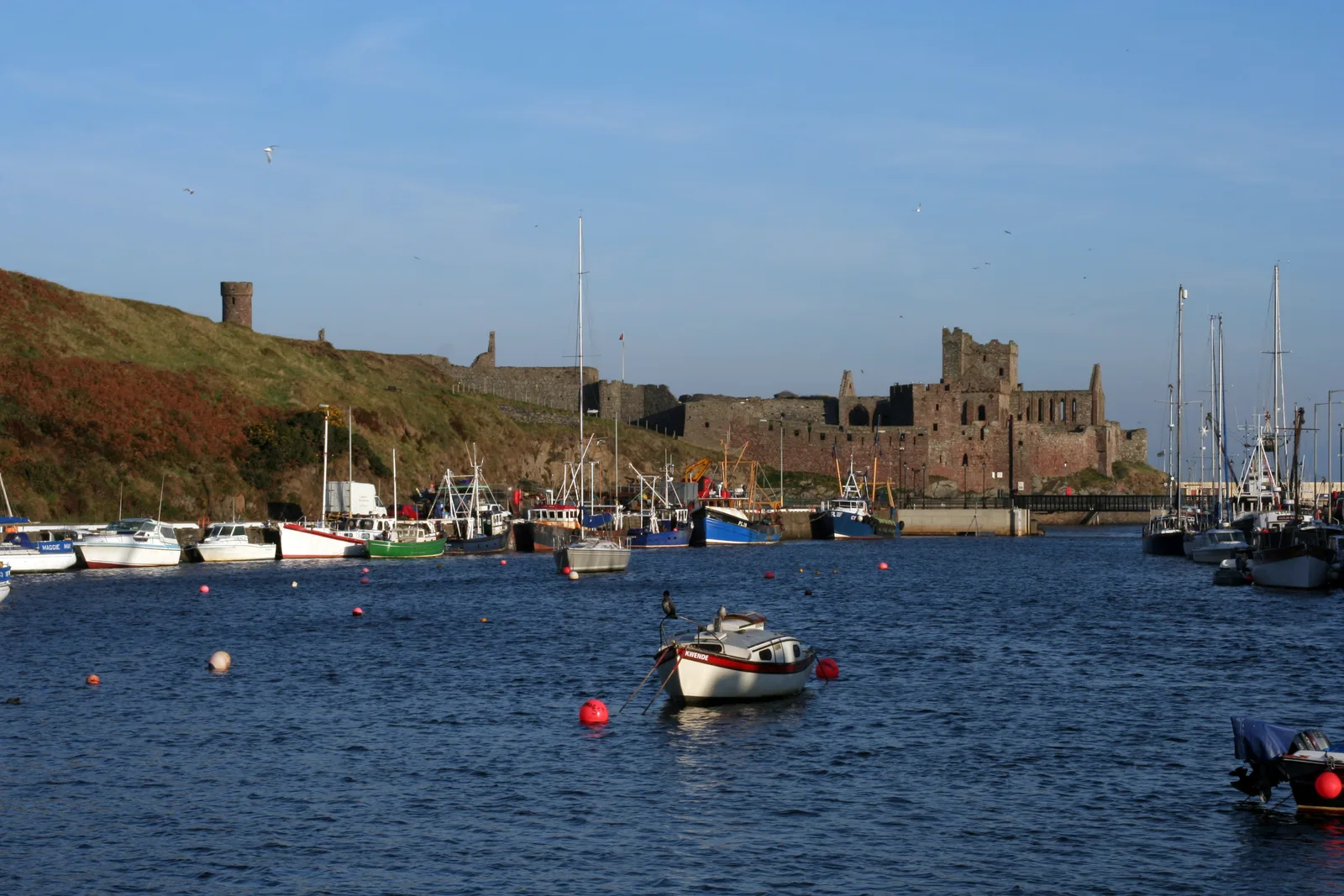
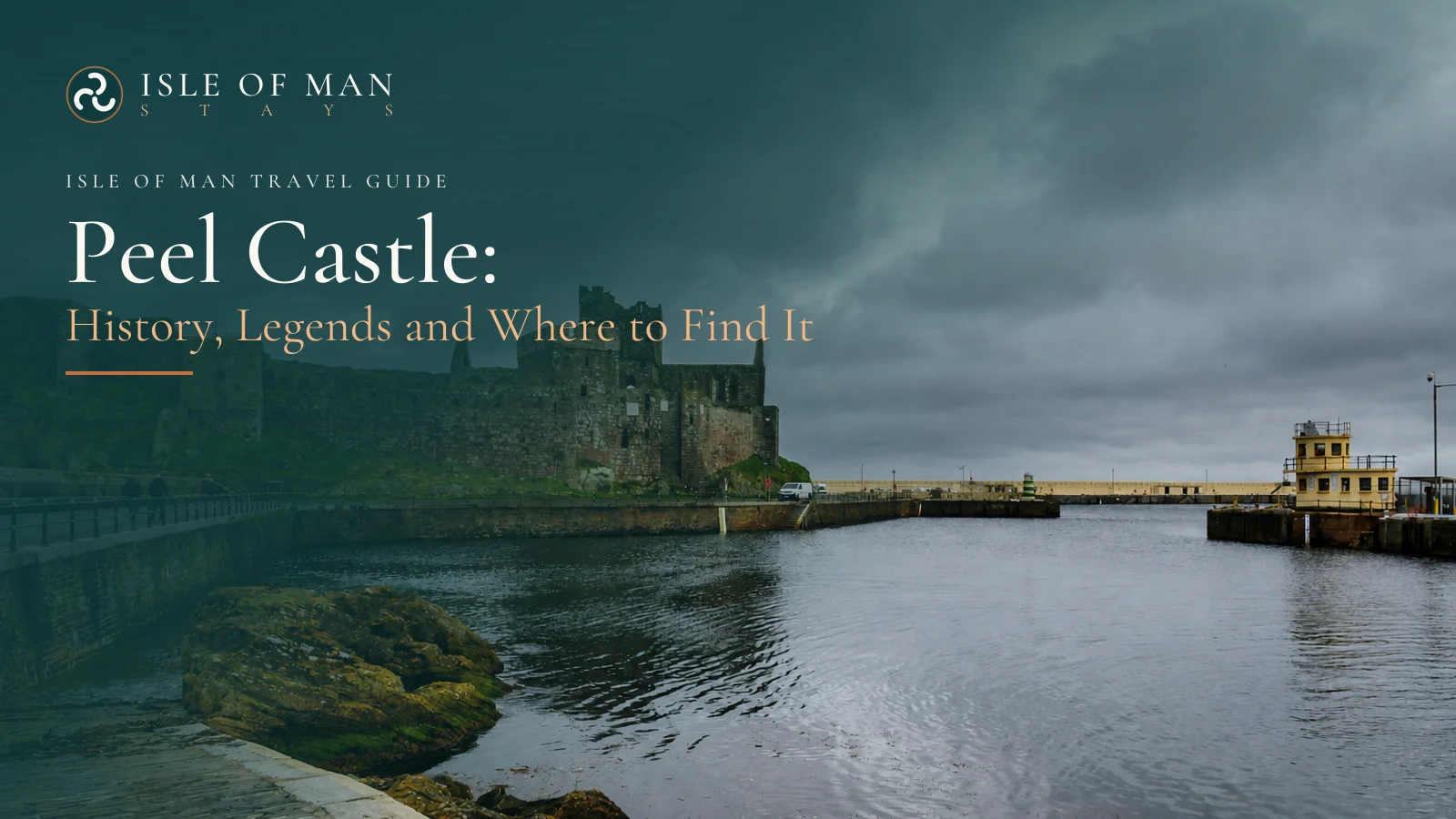
Peel Castle stands on St Patrick's Isle at the end of the beach. Manx National Heritage calls it "the biggest and most complex heritage site on the Isle of Man": a 700-metre curtain wall enclosing a church roughly a thousand years old, a round tower of around nine hundred years, and the crypt of the Cathedral of St German.
The catch is transport. The island's first railway ran Douglas to Peel from 1873, but the line that survives is the 1874 Douglas to Port Erin one, so a stay in Peel now means the bus or a car for anything beyond the town and its coast. A fair trade for many visitors and a poor one for others, which is the point of choosing deliberately.
Ramsey and the Northern Plain
Ramsey is the largest of the island's three officially designated towns and the quietest of the main bases. It sits at the northern end of the Manx Electric Railway, which reaches it from Douglas by way of Laxey along seventeen and a half miles of cliff-top and glen, about an hour and a quarter for the full run.
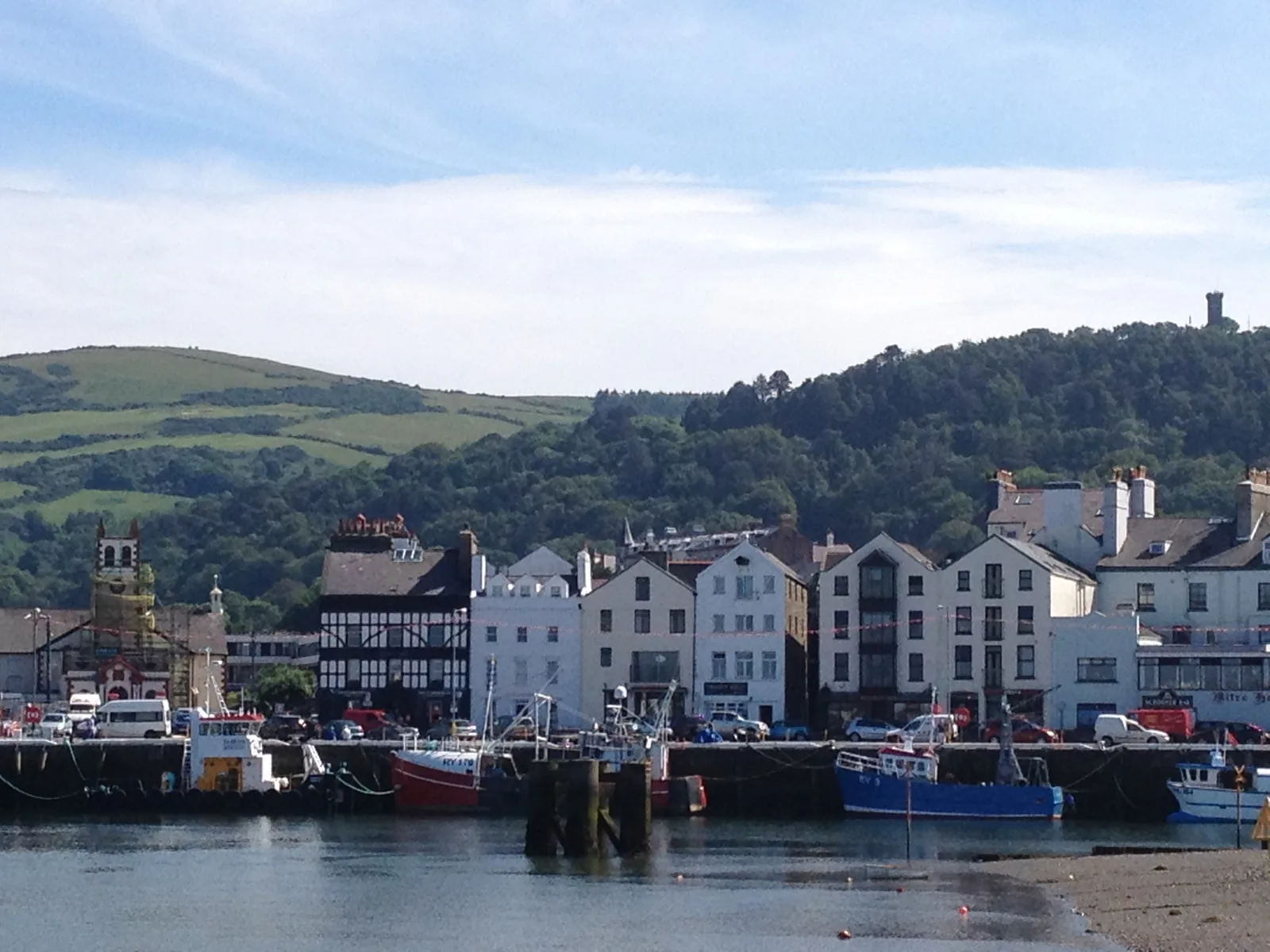
The town has one of the island's biggest harbours, a nineteenth-century park at Mooragh built around a twelve-acre boating lake, and the Queen's Pier, an iron pier of 1886 running 2,160 feet out over the sands.
Do not expect to walk the pier's length: a volunteer trust has been restoring it bay by bay since it closed in 1990, and only the first restored stretch is open to the public — check the restoration trust before planning a visit.
Behind the town the land flattens into the northern plain and the Mountain Road climbs south towards Snaefell, which is why staying in Ramsey suits people who want the north on their doorstep and are content to travel for the rest.
Ramsey is the largest of the island's three official towns, but not the largest settlement after Douglas — that is Onchan, a village just north of Douglas with 9,039 residents. Ramsey still feels like the quiet end, which is exactly why people choose it.
Castletown, Port Erin and the South
Castletown was the capital until 1869 and looks it. Castle Rushen dominates the market square; Manx National Heritage calls it "one of the best-preserved medieval castles in the British Isles", built "800 years ago for a Viking king" and later a Civil War fortress and the island's Victorian prison. The Old House of Keys, where the Manx parliament sat until it followed the government to Douglas in 1874, is a few minutes' walk away, along with the Nautical Museum and the Old Grammar School.
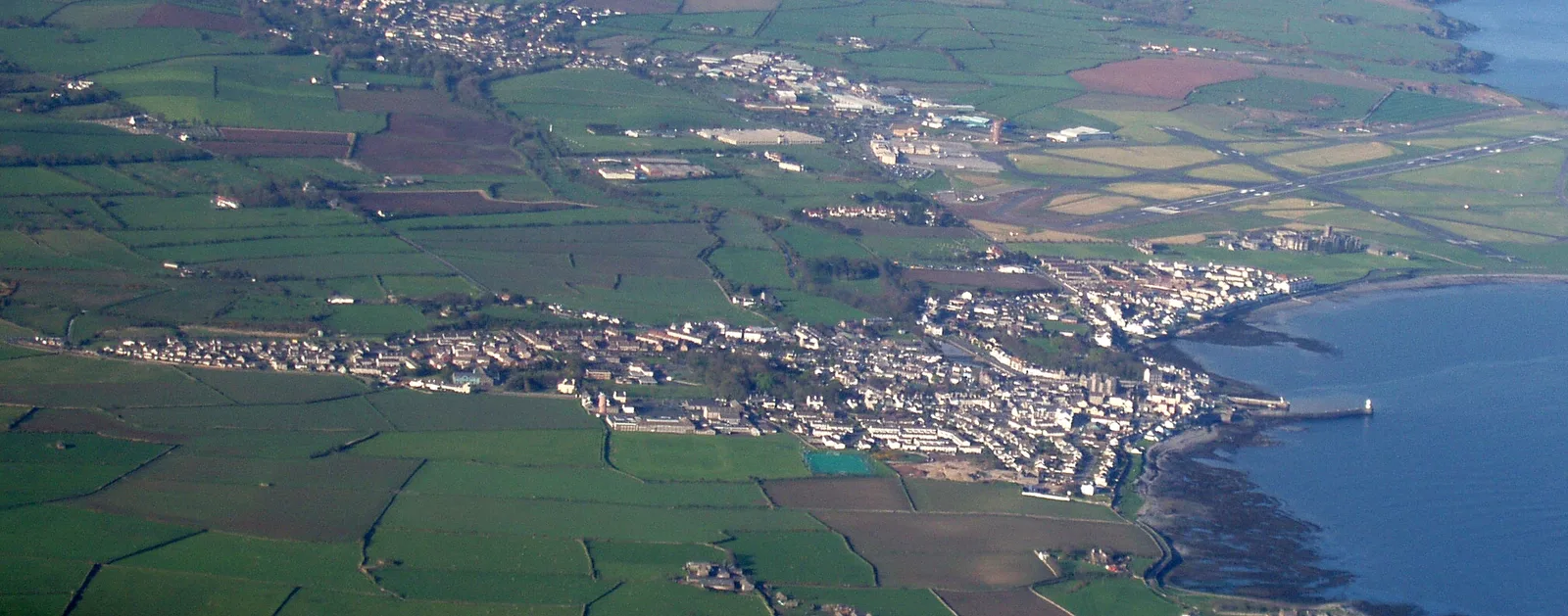
It is also the closest base to the airport, which sits just outside the town at Ronaldsway. If you are flying in for two or three nights, Castletown, the old capital, gives you the shortest transfer on the island.
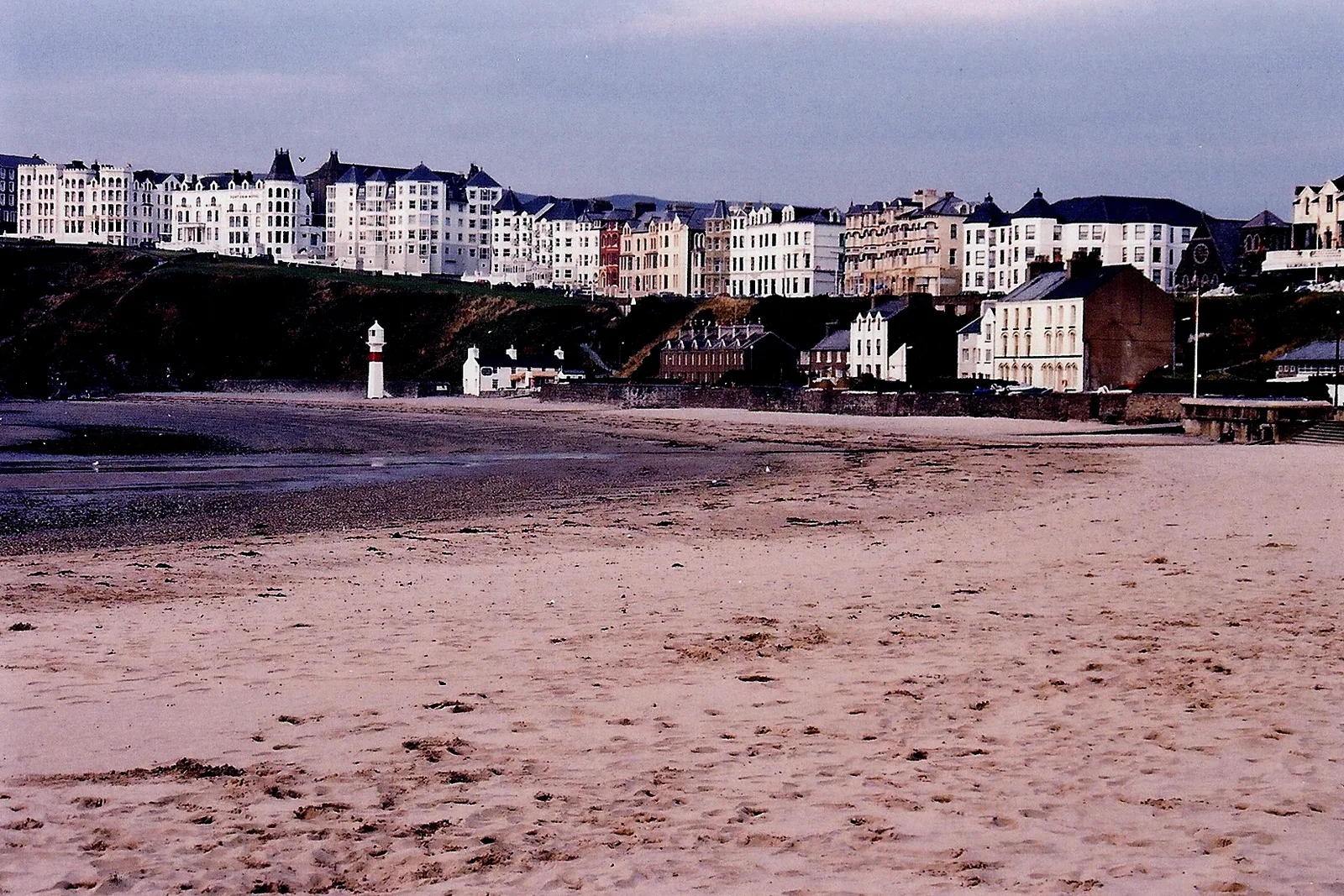
Round the coast to the west, Port Erin and Port St Mary sit in neighbouring bays about a mile apart. Port Erin has the bigger beach and the western terminus of the steam railway, with the Railway Museum at the station and Bradda Head rising at the north end of the bay, topped by the key-shaped Milner's Tower of 1871. Port St Mary is smaller and quieter, and both reach the walking country at the island's southern tip.
Laxey: Small, Better Connected Than It Looks
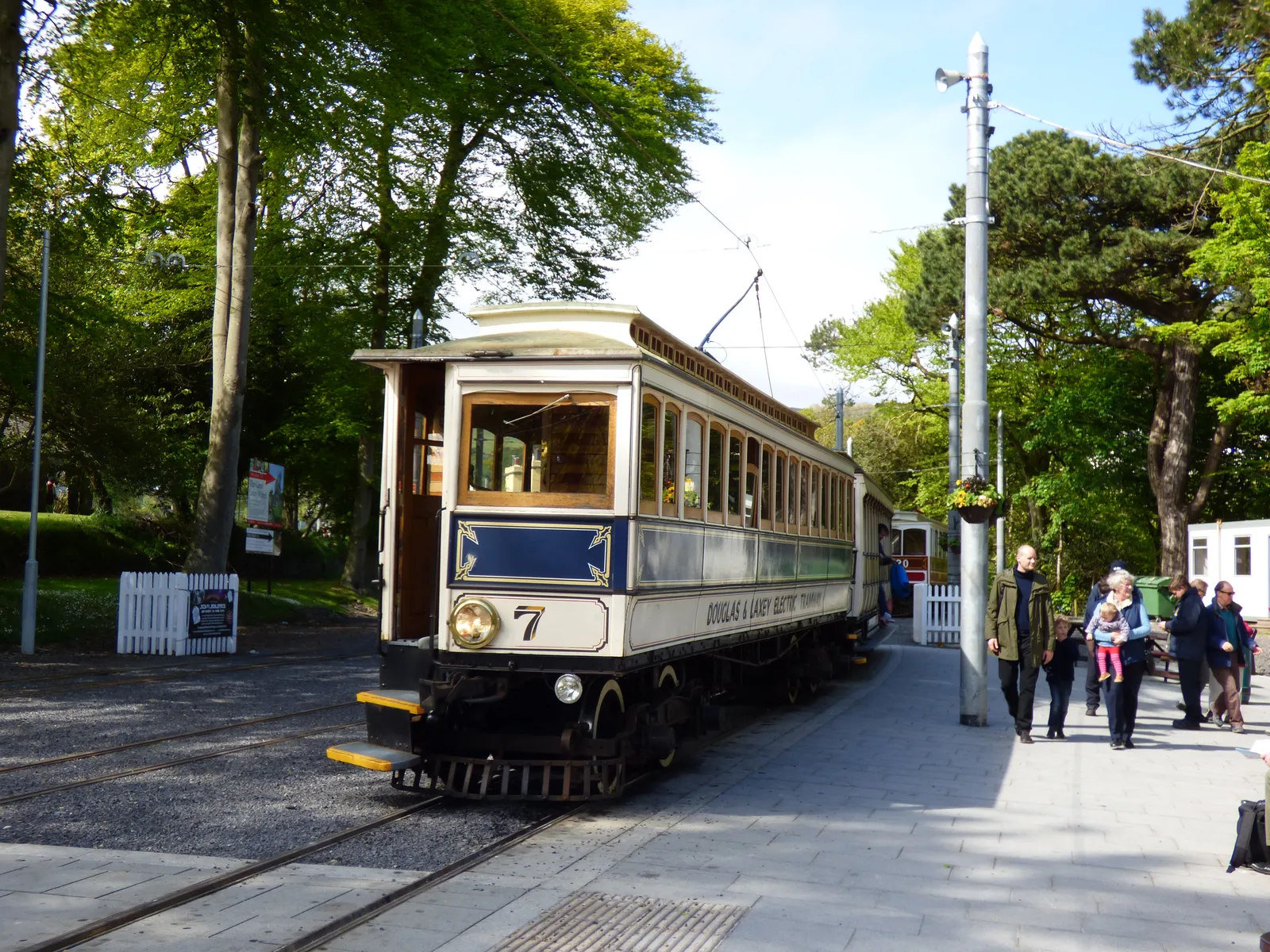
Laxey is a village of well under two thousand people with two railways' worth of connections. The Manx Electric Railway stops there between Douglas and Ramsey, and Laxey is the foot of the Snaefell Mountain Railway, which has climbed four and a half miles to the island's highest summit since 1895.
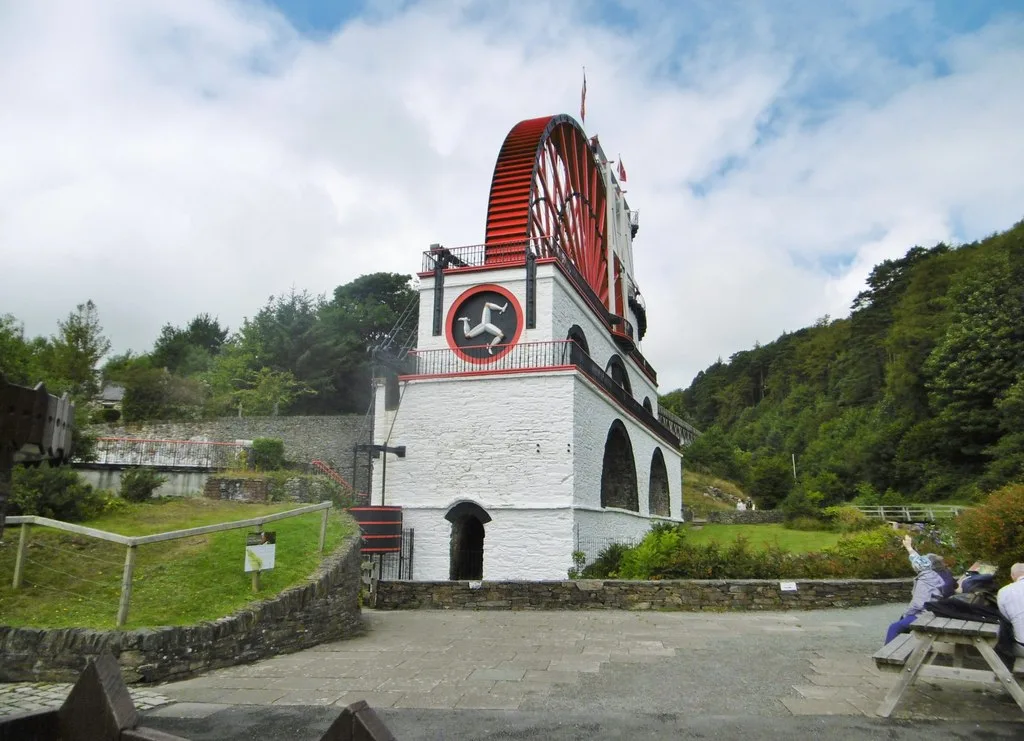
It also holds the Great Laxey Wheel, "Lady Isabella", completed in 1854 to pump water out of the Laxey mines and described by Manx National Heritage as the largest working water wheel in the world at 72 feet 6 inches across.
Car or No Car Changes the Answer
A car is optional here, because the island carries an unusual amount of public transport for its size: buses reaching every town, plus three heritage railways and a horse tramway. Without one, Douglas is the strongest base by a distance, then Laxey and Ramsey on the electric line and Castletown, Port St Mary and Port Erin on the steam line.
With a car the calculation inverts. The glens, the smaller bays and most coastal path trailheads sit off the bus corridors, and Peel and Ramsey stop being compromises.
The heritage railways operate seasonally rather than as a year-round commuter service, so check the operator before building a car-free trip around them — a November visit is a different proposition from a July one.
Choosing by Trip Type
- A first visit: Douglas. Both railways, the ferry terminal, the bus station and the Manx Museum are within walking distance, so you can see the shape of the island in three or four days without hiring anything.
- A walking holiday: Port Erin or Port St Mary for the southern cliffs and the Sound, Ramsey for the north. The coastal path circles the island, so the practical question is where a day's walk can end with a bus or train back.
- A family week: Port Erin for the beach and the railway at the end of the street, or Douglas for variety and the horse trams. Ramsey's Mooragh Park and its boating lake is the strongest family asset outside those two.
- The TT fortnight: Douglas, if you can get it — the races start and finish there. TT fortnight draws around 43,000 visitors to an island whose resident population is 84,069, so treat any bed within reach of the course as a good one, book as far ahead as you can, and secure the ferry crossing first. Race fortnight works by its own rules, which our guide to where to stay for the Isle of Man TT sets out in full.
- An off-season weekend: Douglas or Castletown. Both have indoor museums and heritage sites to fall back on for a wet weekend, and both keep a bus service running through the off-season, once the heritage railways' season has ended.
Once you have a town in mind, the next step is to see what each one holds. Compare accommodation across the whole Isle of Man in one place, then narrow to the base that matches your trip.
Frequently Asked Questions
Where is the best place to stay on the Isle of Man?
Douglas, for most people and especially for a first visit. It has the largest choice of accommodation, the ferry terminal, the bus station and the terminus of both heritage railways. Peel, Ramsey and Port Erin are better if you want a quieter base and are willing to travel.
Is it better to stay in Douglas or Peel?
Douglas for convenience and choice, Peel for character. Peel faces west, has the castle and a working fishing harbour, and is the more attractive town. It has no railway, though, so a stay there means the bus or a car for anything beyond the town.
Can you visit the Isle of Man without a car?
Comfortably, if you base yourself well. Buses reach every town, and three heritage railways plus a horse tramway link Douglas with Laxey, Ramsey, Castletown, Port St Mary, Port Erin and Snaefell. Douglas is the strongest car-free base; Peel is the weakest.
Which town is best for the TT races?
Douglas, because the course starts and finishes there and the transport network converges on it. TT fortnight brings roughly 43,000 visitors to an island whose resident population is only 84,069, so book as early as you possibly can and secure a ferry crossing before you commit to a room.
What is the largest town on the Isle of Man?
Ramsey, with 8,288 residents at the 2021 census, is the largest of the island's three officially designated towns — Castletown, Peel and Ramsey. Douglas is bigger again at 26,677 but holds city status rather than town status, and Onchan, a village just outside Douglas, is larger than Ramsey at 9,039. Among the towns, Peel comes next at 5,710 and Castletown has 3,206; Port Erin, a village rather than a town, is larger than Castletown at 3,730.