Quick Navigation
- What Is the Laxey Wheel?
- What is the Laxey Wheel?
- Why It Was Built: A Valley Full of Water
- Who Built It, and Why "Lady Isabella"?
- How the Laxey Wheel Actually Works
- The Mine the Wheel Was Built to Drain
- From Working Wheel to Preserved Landmark
- Seeing the Wheel Today, and What's Next to It
- Frequently Asked Questions
- How does the Laxey Wheel work?
- Who built the Laxey Wheel, and when?
- Why did the mine need such a large wheel?
- Can you visit the Laxey Wheel, and what does it cost?
- What else is there to see at Laxey besides the wheel?
The Laxey Wheel is a 72-foot-6-inch red-and-white waterwheel built into the hillside above the village of Laxey in 1854, and it is still the largest working water wheel left standing anywhere in the world. It was never built to be admired. It was built to pump floodwater out of the lead and zinc mines underneath it, and although the mines closed in 1929, the wheel itself never stopped turning.
What Is the Laxey Wheel?
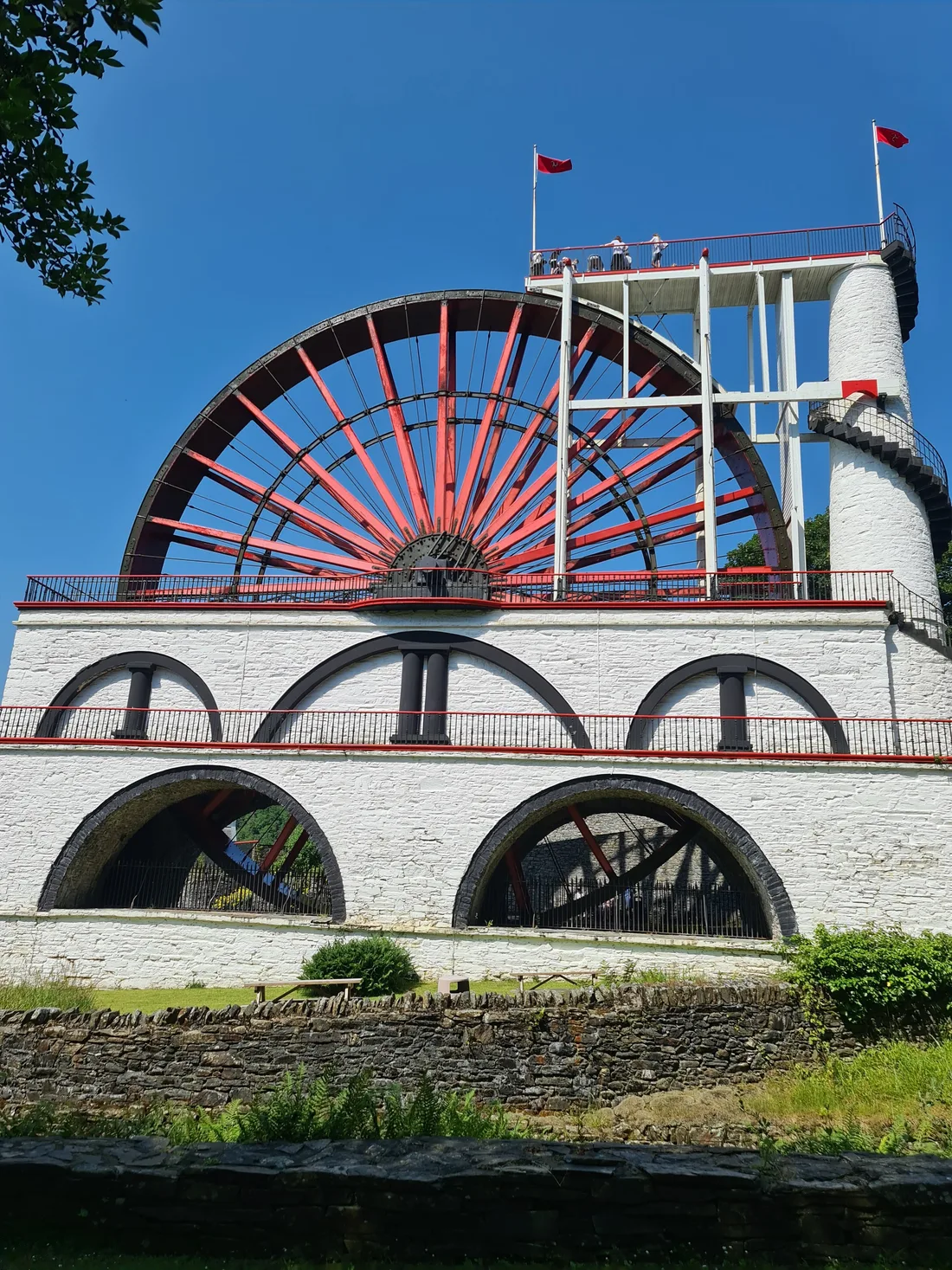
It is a "backshot" waterwheel — water arrives at the top and falls through it, rather than striking it from below — 72 feet 6 inches across, a little over 22 metres, standing three storeys tall against its own stone-and-iron engine house. Manx National Heritage calls it the island's most iconic landmark and the largest working water wheel in the world.
It has a proper name, Lady Isabella, though almost nobody on the island uses it; ask for directions to "the wheel" and you will be understood at once.
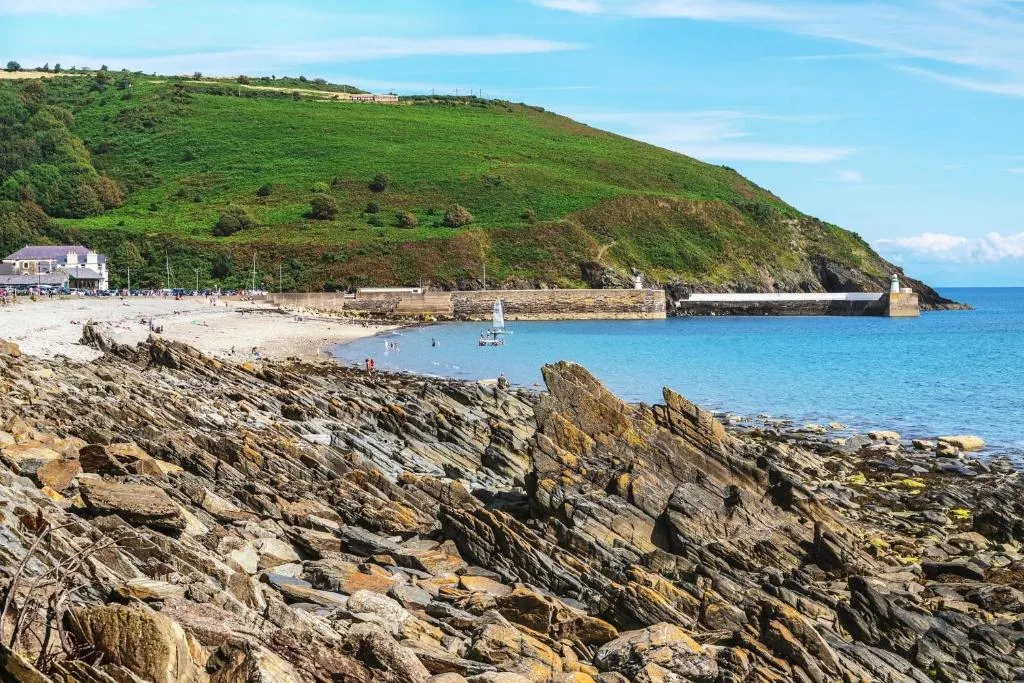
It sits above the mining village of Laxey, halfway up the east coast, where the glen runs down to a small harbour.
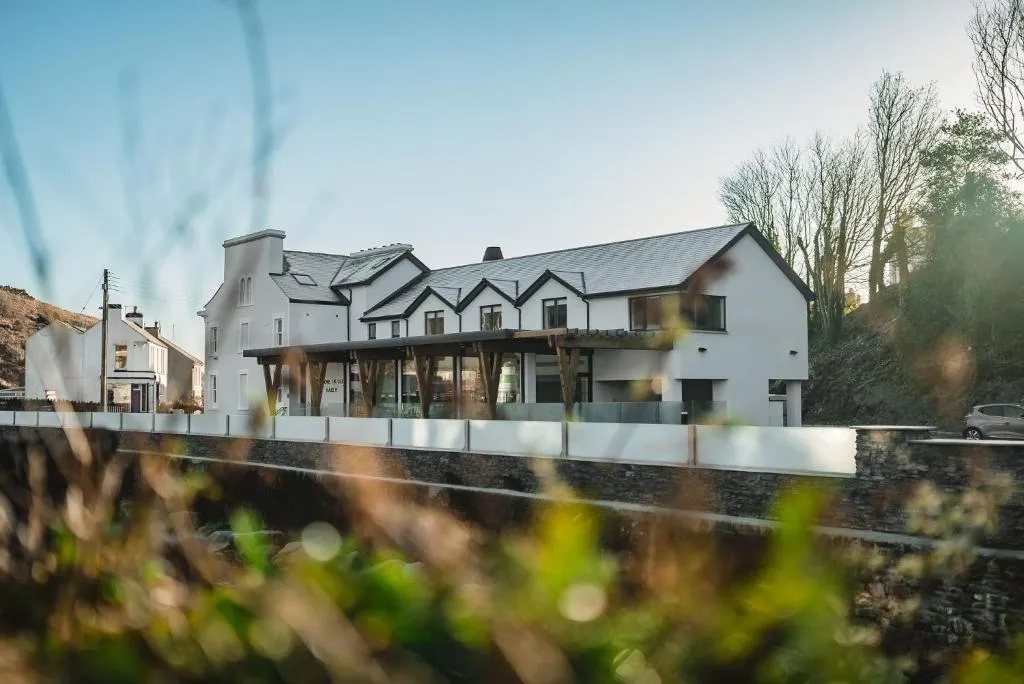
If you are basing a trip around it, the village itself makes a practical, unfussy stop: self-catering apartments in Laxey put you within easy walking distance of the wheel, the old mine buildings and the glen behind the village.
Why It Was Built: A Valley Full of Water
Laxey's lead and zinc deposits sat under a hillside that would not stay dry. The deeper the miners dug, the faster groundwater flooded back in behind them, and by the 1850s the Great Laxey Mining Company was losing the race. Steam pumping engines existed, but coal had to be shipped to an island with no coalfield of its own, and running a pump around the clock on imported fuel was expensive in a way that water, which fell on the hillside for free, was not.
The engineer given the problem was Robert Casement, and his answer was to build the biggest waterwheel practical for the site rather than the smallest steam engine that might do the job. Water collected from springs and streams on the hill above was channelled down to the wheel through an inverted siphon, so it arrived under enough pressure to fill the buckets set around the rim even though the supply pipe sat below the wheel's own axle.
It went into service in 1854 and immediately took over the drainage that several smaller wheels had previously shared between them.
Planning your trip
Staying overnight? Compare live prices and availability across the Isle of Man on Booking.com.
Compare Isle of Man staysWe earn a small commission if you book through this link, at no extra cost to you.
Who Built It, and Why "Lady Isabella"?
The wheel is named after Isabella Hope, wife of Charles Hope, the island's Lieutenant Governor at the time it was built — a fairly ordinary piece of Victorian flattery, since a Lieutenant Governor's goodwill was worth having if you ran the island's largest mining company. Casement himself is the more interesting figure: a mining engineer working in iron, timber and masonry rather than steam, at a moment when steam was already the fashionable answer everywhere else in Britain. His wheel outlived every steam pumping engine the mine ever installed.
How the Laxey Wheel Actually Works
The physics is straightforward even if the engineering is not. Water falling into the buckets on one side of the rim makes that side heavier than the other, and the wheel turns to bring the full buckets down and the empty ones back up to the top, over and over, as long as the supply keeps flowing. That rotation drives a crank at the wheel's axle, which is connected to a long horizontal rod running out to the mine's main engine shaft, ending in a pivoting arm called a T-rocker.
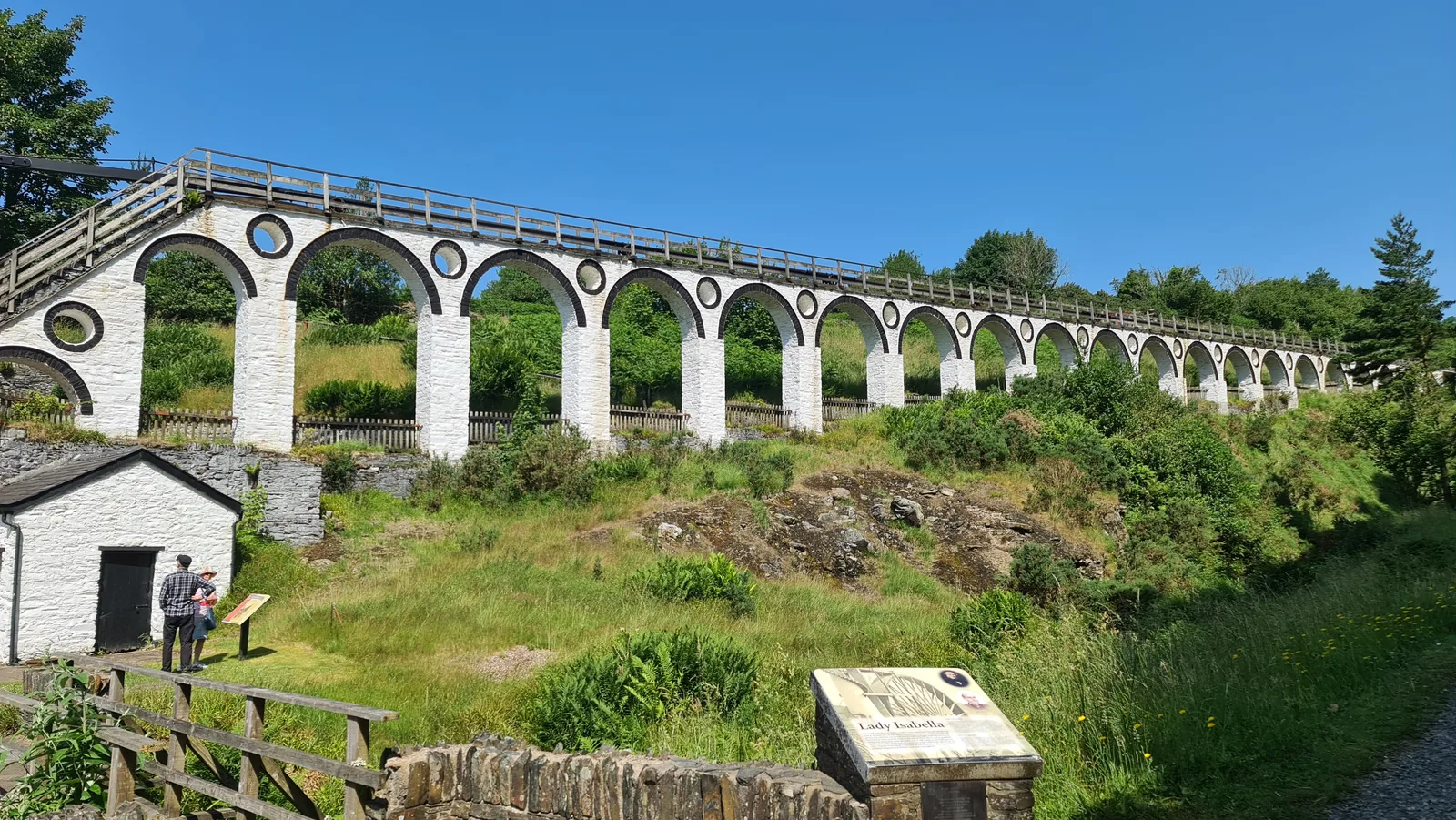
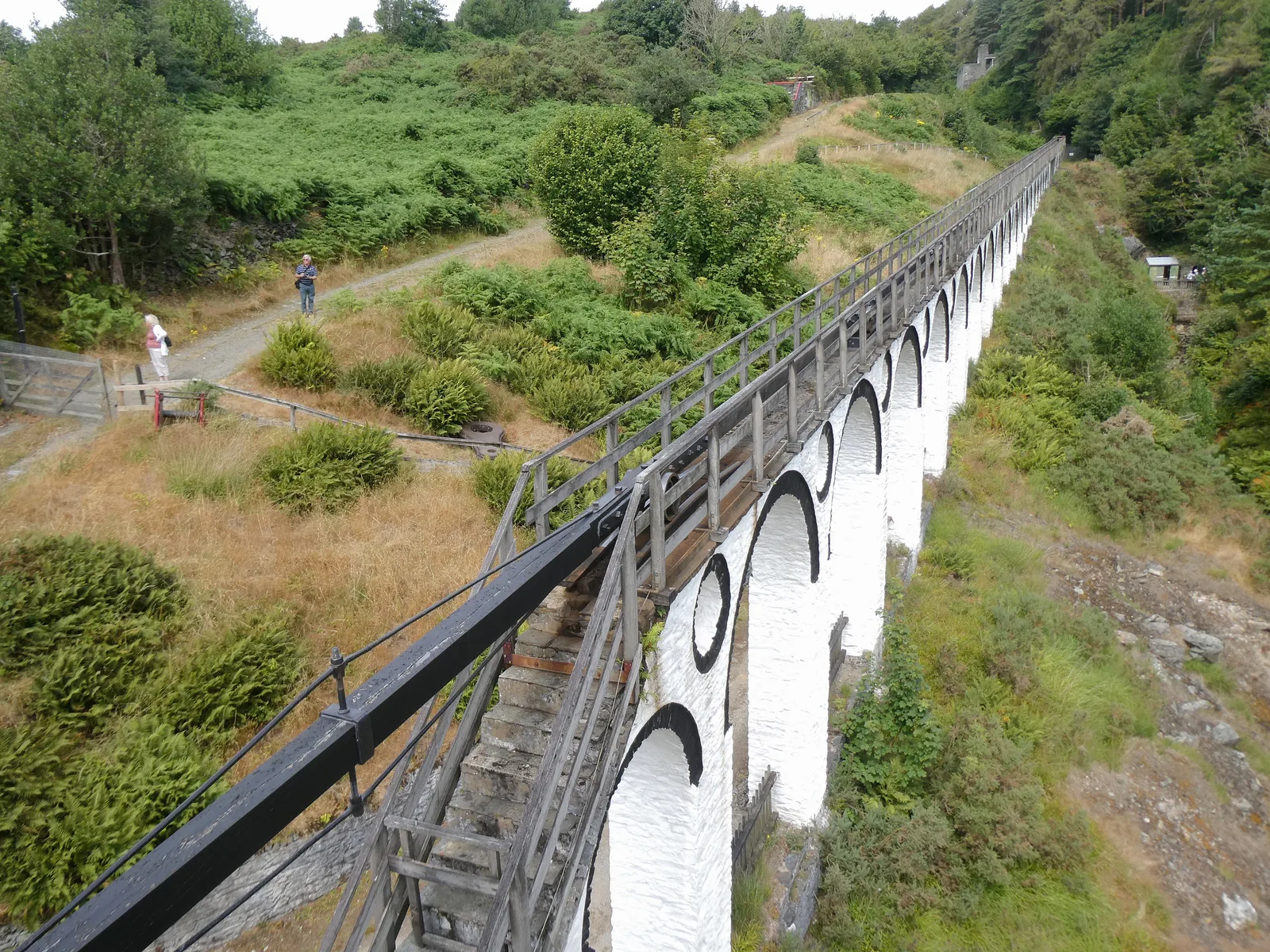
The T-rocker is where rotary motion becomes something else entirely: a straight up-and-down push, repeated with every turn of the wheel, transmitted down a line of connected pump rods to plunger pumps set deep in the shaft. At full working speed the wheel could lift around 250 imperial gallons a minute from roughly 200 fathoms down — a little over 360 metres — up to an adit that drained out to the Laxey River by gravity from there.
Nothing about the system needed fuel, and nothing about it needed constant attention; it just needed the hillside to keep producing water, which in this part of the island it reliably did.
The wheel was never decoration. Every part of it, from the siphon feed to the T-rocker, existed to solve one specific problem: getting water out of a hole faster than the hole could fill back up.
The Mine the Wheel Was Built to Drain
Mining at Laxey had gone on in a small way since the 1780s, but it only became a serious industrial operation once the Great Laxey Mining Company was formed in 1849. At its Victorian peak, Manx National Heritage records that the mine employed over 600 men underground, working lead, zinc, silver and copper from three principal shafts that eventually reached more than 670 metres, over 2,200 feet, below the surface — deep enough that the wheel pumped from only one level of a much longer drop.
Conditions were exactly what you would expect of a Victorian metal mine: long shifts by candlelight, in tunnels that a contemporary newspaper account described as leaving the miners "a race of thin, sallow-complexioned men."
Zinc ore from Laxey supplied a large share of the entire United Kingdom's output through the 1870s, which is a striking fact for a mine on a small island, but the ore body was finite and the easiest seams were worked out first. Production fell steadily from the 1880s, and the Great Laxey Mine finally closed in 1929, ending a century and a half of digging under the glen. The wheel, with nothing left underground to drain, simply stopped being useful and started being a landmark instead.
From Working Wheel to Preserved Landmark
After the mine shut, the Manx Government bought the site in 1965 and restored the wheel before handing stewardship to Manx National Heritage in 1989.
A further major restoration followed roughly forty years ago, and Manx National Heritage has more recently run a phased conservation programme addressing the rod duct and the T-rocker itself — the same components that did the actual pumping, now maintained so the wheel can keep turning for visitors rather than miners. It has appeared on the island's own banknotes, which tells you roughly how central it is to how the Isle of Man pictures itself.
Seeing the Wheel Today, and What's Next to It
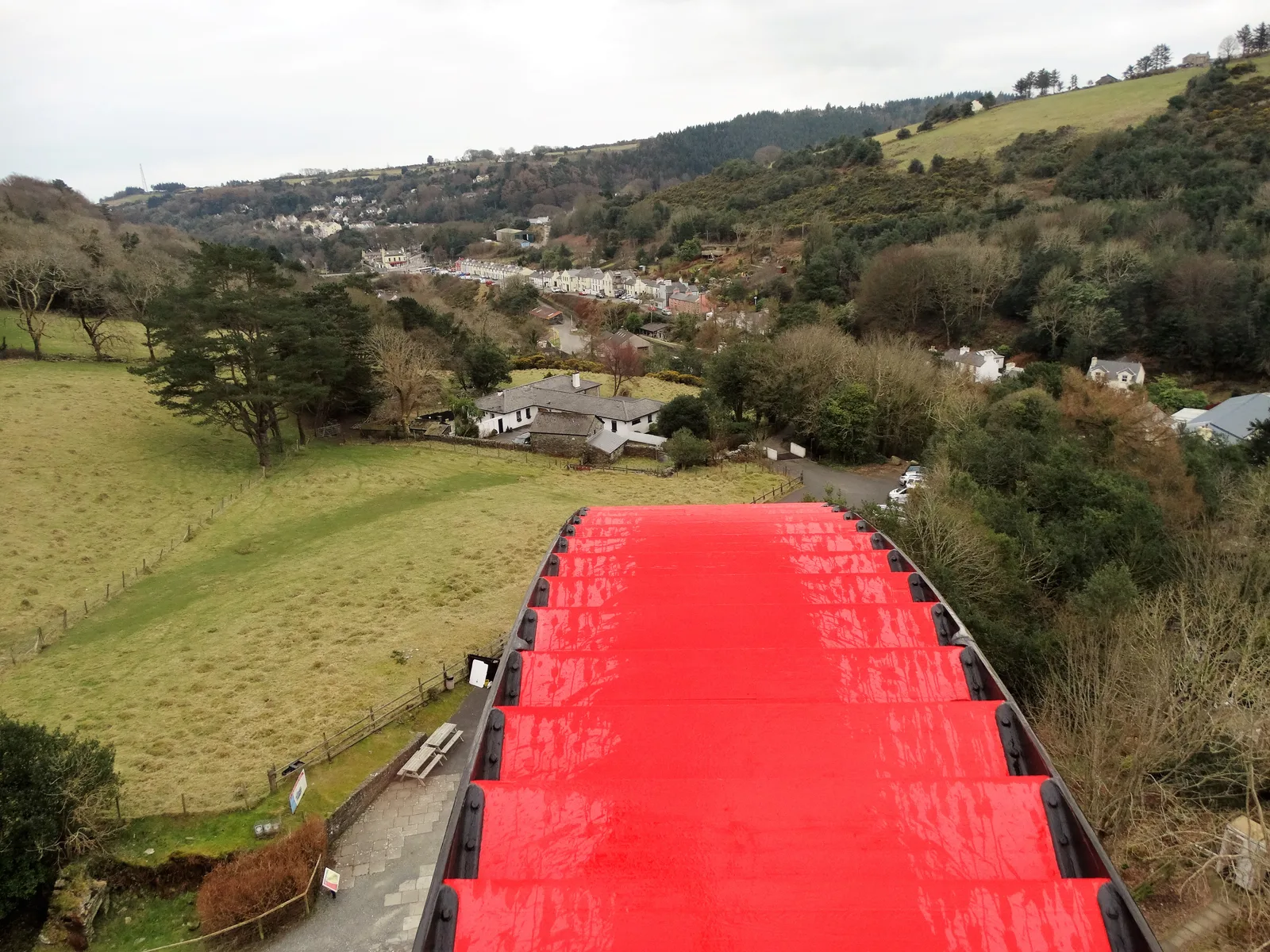
Ninety-five spiral steps climb the tower to a viewing platform above the rim, where you look almost level into the wheel as it turns and out over Glen Mooar and the village below — our own guide to the wheel covers what else is worth pairing it with on the day.
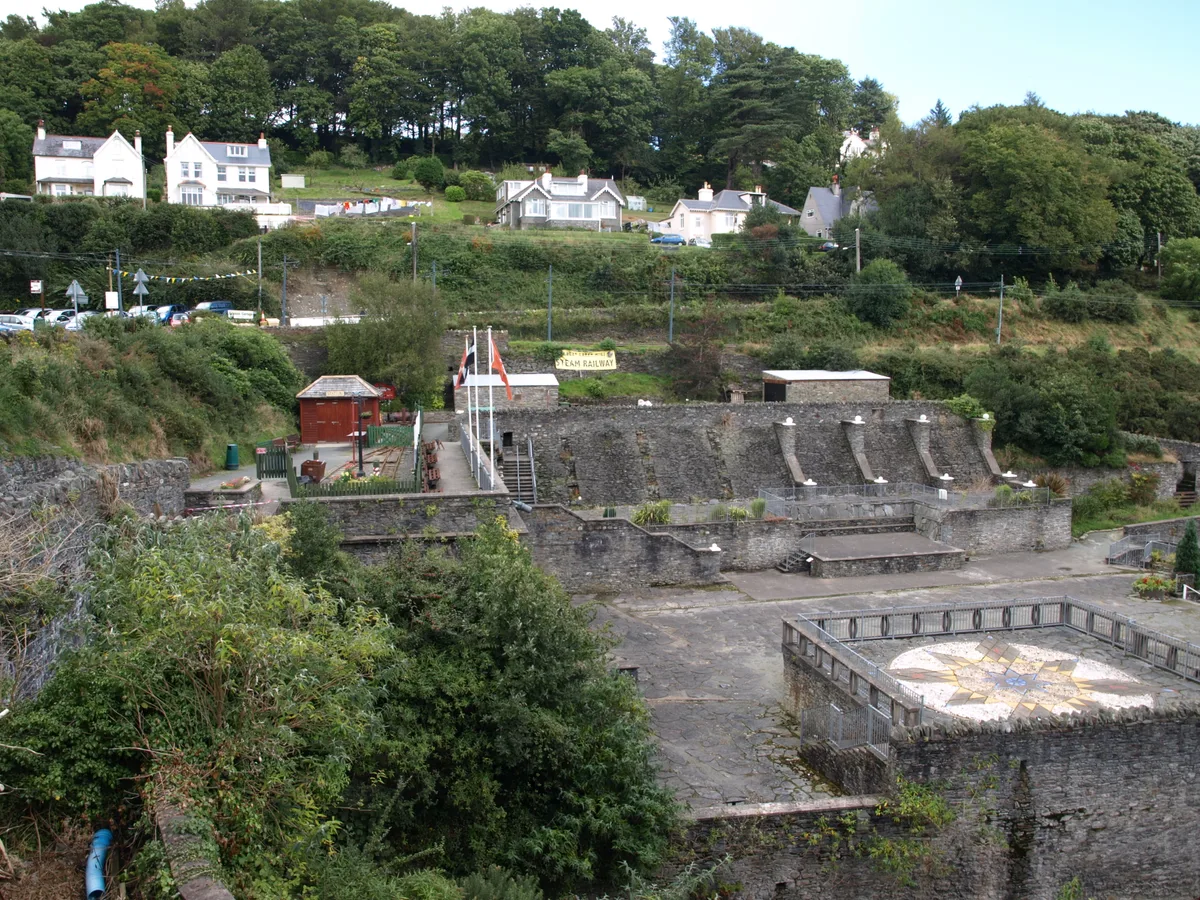
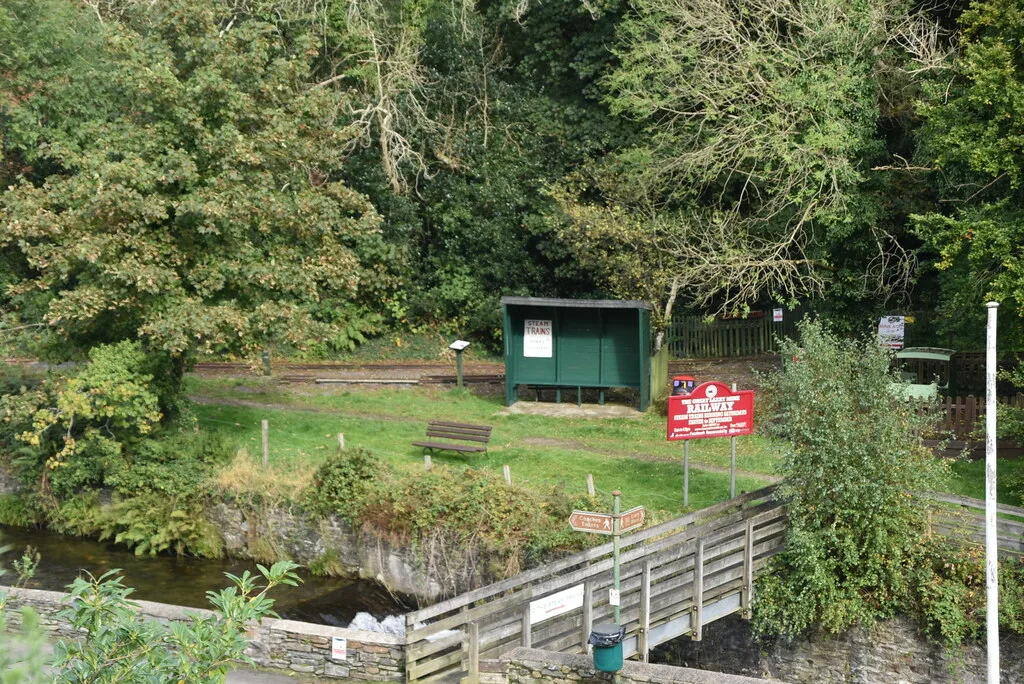
The site is bigger than the wheel alone: a mines trail leads through the old Washing Floors where ore was once sorted, and the volunteer-run Great Laxey Mine Railway now carries passengers along the surface tramway that once hauled ore wagons, through the island's only railway tunnel, on a line that operated commercially until 1929 and was reopened by local volunteers in 2004.
Laxey is also the starting point for the Snaefell Mountain Railway, the electric line that climbs the island's only mountain over 2,000 feet, so a single morning in the village can easily cover Victorian mining, Victorian railway engineering, and one of the best views on the island without moving the car.
Combined with the harbour below and the glen behind, it is a fuller stop than the postcard shot of the wheel alone suggests, which is exactly why the island's wider list of things worth doing puts it first rather than last.
| Fact | Detail |
|---|---|
| Diameter | 72 feet 6 inches (about 22.1 metres) |
| Built | 1854, designed by Robert Casement |
| Named for | Isabella Hope, wife of Lieutenant Governor Charles Hope |
| Purpose | Pumping floodwater from the Great Laxey lead and zinc mines |
| Pumping depth | About 200 fathoms (roughly 360 metres) |
| Mine closed | 1929 |
| Managed by | Manx National Heritage, since 1989 |
The Laxey Wheel is one landmark among several that trace the same long arc from Norse settlement to Victorian industry to today's quieter island, a story the island's fuller history sets out in more detail. Whatever else fills a Laxey visit, this is the one stop nobody skips.
Frequently Asked Questions
What is the Laxey Wheel?
The Laxey Wheel, formally named Lady Isabella, is a 72-foot-6-inch waterwheel built in 1854 above the village of Laxey on the Isle of Man. It remains the largest working water wheel left standing anywhere in the world, and it was built to pump floodwater out of the lead and zinc mines beneath it.
How does the Laxey Wheel work?
Water piped down from springs on the hillside fills buckets set around the wheel's rim, and the weight of the full buckets turns it. That rotation drives a crank connected to a long rod running to the mine's engine shaft, ending in a T-rocker that converts the turning motion into the up-and-down stroke needed to work pumps deep underground.
Who built the Laxey Wheel, and when?
It was designed by the mining engineer Robert Casement and went into service in 1854, replacing several smaller wheels that had previously shared the job of draining the Great Laxey mines. It is named Lady Isabella after Isabella Hope, wife of the island's Lieutenant Governor at the time.
Why did the mine need such a large wheel?
The deeper the Great Laxey mines were dug, the faster groundwater flooded back into them, and a coal-fired steam pump was expensive to run on an island with no coalfield. A large waterwheel, powered by streams on the hillside, could lift roughly 250 imperial gallons a minute from around 200 fathoms down at no fuel cost at all.
Can you visit the Laxey Wheel, and what does it cost?
Yes — the wheel is cared for by Manx National Heritage and welcomes visitors on a seasonal basis, with a staircase up to a viewing platform above the rim. Seasonal dates and current visiting details change from year to year, so check Manx National Heritage's own listing before you travel rather than relying on an old figure.
What else is there to see at Laxey besides the wheel?
The site includes a mines trail through the old Washing Floors, and the adjoining Great Laxey Mine Railway runs short heritage train trips through the island's only rail tunnel. Laxey is also the departure point for the Snaefell Mountain Railway, and the village itself has a small harbour and glen worth the walk.